
Exploring AI Supply Chain Forecasting: Insights Into Implementation And Impact

Key Technologies Supporting AI Supply Chain Forecasting
Machine learning algorithms are central to AI supply chain forecasting systems in the United States. These algorithms may leverage supervised and unsupervised learning to interpret vast datasets and generate predictive models. Commonly, methods such as regression analysis, time series forecasting, and neural networks are implemented to identify trends and anticipate supply chain needs. Advances in deep learning and reinforcement learning have further expanded the scope of what AI systems can analyze.
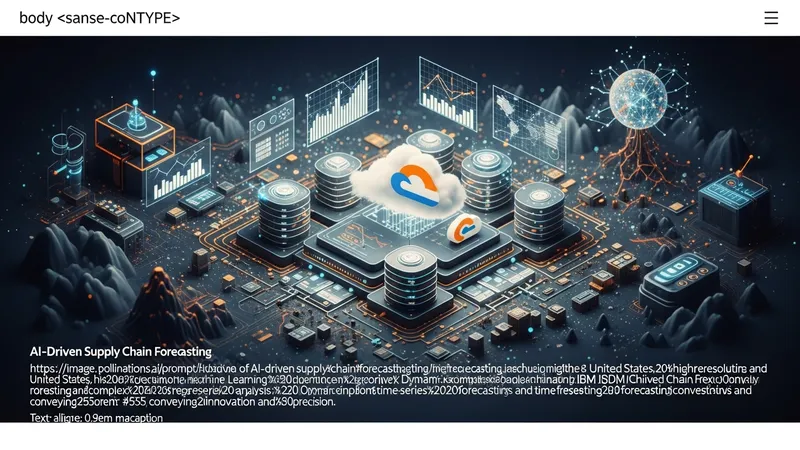
Cloud computing infrastructure is another foundational technology for AI forecasting. Platforms hosted on cloud environments, such as Google Cloud Supply Chain Optimization and IBM Cloud, enable scalable data storage and on-demand computing power. These capabilities are particularly relevant for organizations with fluctuating or seasonal demand patterns, as resources can be adjusted without large capital investment. Security standards in these environments generally comply with United States data protection regulations, ensuring robust controls.
Integration with enterprise resource planning (ERP) and supply chain management (SCM) software is a common feature of advanced forecasting platforms. This integration ensures that insights produced by AI models are accessible across business units, from procurement to distribution. For example, outputs from SAS Supply Chain Analytics are frequently used to automate order scheduling and adjust inventory levels in real time, helping to synchronize upstream and downstream processes.
Data visualization and reporting tools offer transparency into the forecasting process, enabling practitioners to interpret predictions and scenario analyses more effectively. Interactive dashboards provided by enterprise platforms typically support customizable views, trend charts, and key performance indicators. This functionality is valuable for executive decision-making and routine operations, allowing for continuous improvement of forecasting workflows.