
EV Cars: Understanding Environmental Benefits And Impact

Policy and Infrastructure Shaping EV Cars: Understanding Environmental Benefits and Impact
National and local policies play a significant role in the expansion and environmental impact of EV cars. Many governments have enacted measures such as tax incentives, emissions regulations, and investment in charging infrastructure to support the adoption of electric vehicles. These policy approaches can alter the pace of EV uptake, the scale of charging networks, and the degree of integration with broader renewable energy initiatives.
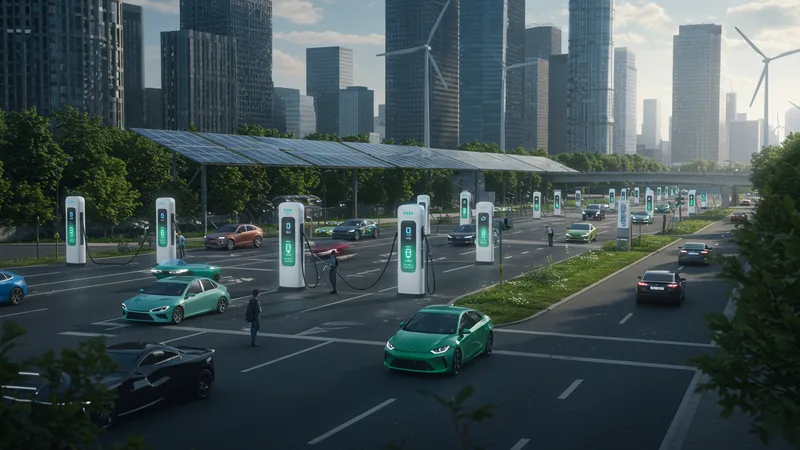
Public charging infrastructure is a pivotal component, influencing consumer confidence and practical usability of EVs. The density, accessibility, and power ratings of charging stations vary by region, often reflecting both public and private investment priorities. Expanding charging infrastructure, especially in urban centers and along transit corridors, may support the acceleration of EV deployment with associated environmental benefits.
Urban planning and zoning policies may also impact the success of EV integration. Some cities encourage the use of EVs in public transport fleets, provide incentives for replacing conventional taxis or delivery vehicles, or designate low-emission zones to improve air quality. These targeted initiatives complement broader legislative frameworks shaping the environmental outcomes of electric vehicle adoption.
In conclusion, evaluating the environmental benefits and impact of EV cars is multidimensional, involving advances in technology, changes in the energy landscape, responsible resource management, and supportive public policy. As EV-related technologies and infrastructure develop, continued monitoring and adaptation are essential to realize potential gains in sustainability and air quality.