
EV Cars: Exploring Charging Methods And Infrastructure

Future Trends in EV Cars: Exploring Charging Methods and Infrastructure
The future of EV charging is shaped by technological innovation aimed at improving efficiency and user experience. Wireless (inductive) charging, for example, eliminates the need for physical cables and may be integrated into parking surfaces or designated charging spots. Although not yet widespread, pilot projects and ongoing research indicate potential applications for fleet operations and public settings, subject to evolving standards and cost considerations.
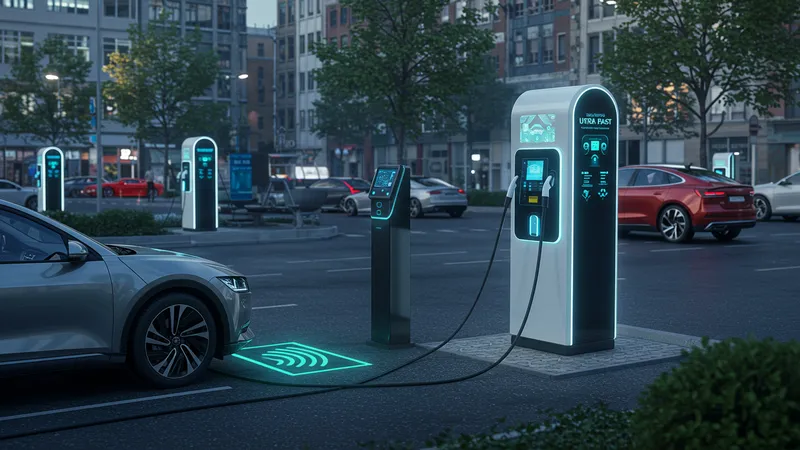
Ultra-fast charging is another focus of infrastructure development. Equipment capable of delivering 350 kW or more may significantly reduce charging times for compatible vehicles, approaching the convenience of conventional fueling if sited appropriately along key travel routes. The availability of such high-capacity chargers is currently limited to certain locations and vehicle models, and ongoing upgrades in battery management are needed to fully utilize these advancements without accelerated wear or safety concerns.
Grid integration and renewable energy usage are gaining prominence in planning future charging networks. Smart grid technologies and vehicle-to-grid (V2G) concepts allow EVs to interact with the broader electricity system, either by drawing power when surplus energy is available or contributing stored energy back to the grid during times of peak demand. These strategies may help balance energy loads, support storage solutions, and facilitate the integration of solar and wind sources into daily electricity use for transportation.
Stakeholders in EV infrastructure continue to address reliability, sustainability, and interoperability across diverse markets. Streamlined network operations, harmonization of data standards, and transparent pricing are critical for a seamless charging experience. As government and industry priorities evolve, regular reassessment of environmental, technical, and consumer needs will likely guide the ongoing adaptation of charging methods and infrastructure worldwide.