
EV Cars: Essential Considerations Before Making A Purchase

The transition from internal combustion engine vehicles to electric vehicles (EVs) represents a notable shift in automotive transportation. Selecting an EV involves evaluating key factors related to energy use, charging infrastructure, vehicle range, upfront and ongoing costs, and environmental impact. These considerations can shape both the practicality and value of an EV in daily life. Understanding these elements may help potential owners align technology choices with lifestyle and expectations.
Evaluating EVs involves examining specifications beyond conventional vehicles. Extensive factors include battery technology, charging compatibility, warranty provisions, and even regional support for incentives or infrastructure. While EV adoption has expanded over recent years, purchasing decisions remain multifaceted and benefit from a careful review of technical and non-technical features relevant to each model.
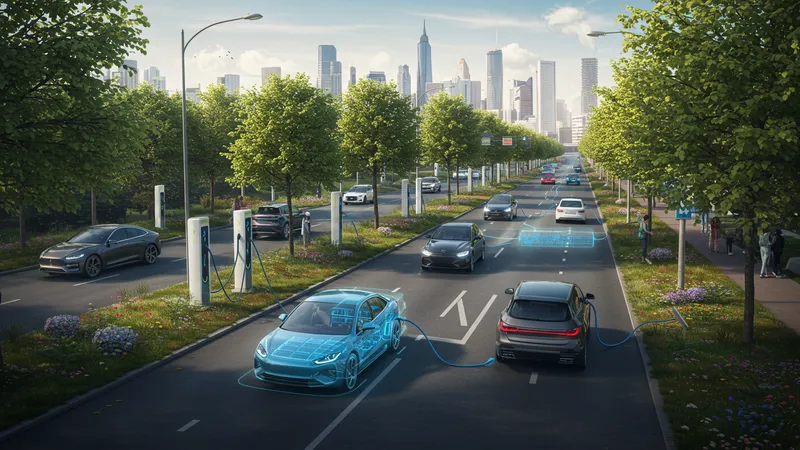
- Battery Range and Capacity: Different EVs offer varying ranges, typically between 150 and 350 miles per charge. This may be a major concern for users with longer commutes or limited charging options.
- Charging Infrastructure Compatibility: The presence and accessibility of charging stations can affect overall usability. Networks and home charging capabilities may lead to different ownership experiences.
- Upfront Costs and Ownership Expenses: Purchase prices for EVs can range from approximately $25,000 to more than $60,000, depending on brand, features, and incentives. Cost savings over time through reduced fuel and maintenance may vary.
Battery range and capacity are central to the user experience with EVs. Real-world range may be influenced by factors such as driving style, temperature, and payload. Owners might typically find shorter or longer ranges compared to official ratings, so it is prudent to interpret range figures as estimates rather than guarantees.
The compatibility with available charging infrastructure is another significant factor. Public charging networks have expanded considerably but may still be inconsistent in some regions. Prospective purchasers often compare the options for home charging equipment and the time required for standard versus fast charging.
Cost considerations span both initial purchase price and ongoing expenses. While EVs generally incur fewer fuel and maintenance costs over their lifetimes, actual financial impact can depend on local electricity rates, battery replacement timelines, and access to incentives. Tax credits or rebates may be available in some regions, but eligibility typically depends on meeting specific criteria.
Warranty and manufacturer support also play a distinct role in the decision-making process. Many automakers provide extended battery warranties, reflecting confidence in battery longevity and offering a measure of reassurance to owners. Warranty terms and after-sales support may differ between brands and regions.
Considering all factors together can give prospective EV buyers a balanced perspective. Technical details, cost structures, infrastructure maturity, and support options should all be considered in context with personal requirements. The next sections examine practical components and considerations in more detail.