
ERP Suites: Streamlining Logistics Operations Through Integrated Solutions

Key Functionalities of ERP Suites for Logistics Operations
Modern ERP suites in logistics are built with an array of modules that address specific functional areas. These may include order management, stock tracking, transportation planning, and real-time warehouse operations. By offering a unified interface, ERP systems can connect diverse workstreams and provide end users with a consistent approach for accessing up-to-date information across the logistics chain.
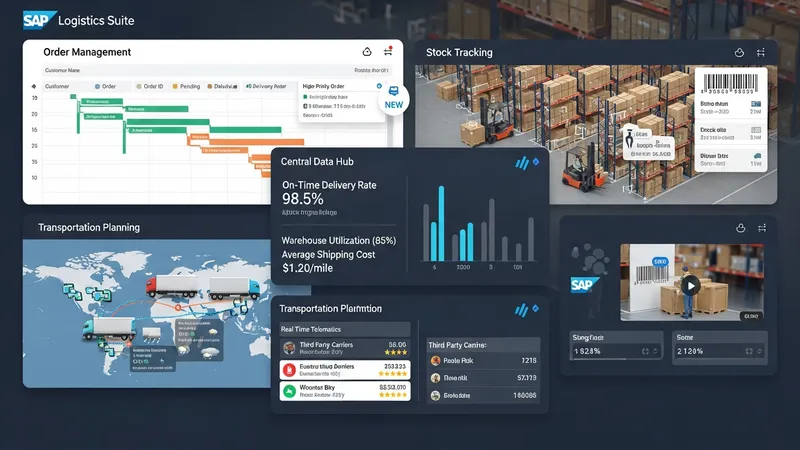
Integration capabilities are often central to the value proposition of logistics-focused ERP suites. Software from providers like SAP, Oracle, and Infor is typically engineered to link with barcoding systems, vehicle telematics, and third-party carrier management solutions. This enables logistics professionals to gain a more complete understanding of shipments from their origin point through delivery.
Advanced reporting within ERP platforms allows logistics managers to monitor trends such as delivery lead times, inventory turnover rates, and fleet utilization. The regular analysis of these metrics can support data-driven decision making, as well as the identification of bottlenecks or areas where process improvements may yield benefits.
Compliance management is another area frequently addressed by ERP suites used in the U.S. logistics sector. These systems can assist with record-keeping, audit trails, and documentation required to meet regulatory mandates from agencies like the Department of Transportation. Flexible configuration options may allow operators to tailor compliance features to specific business requirements.