
Enterprise SaaS: Key Considerations For Compliance Management

Audit Trails and Access Controls within Enterprise SaaS Systems
Audit trails in enterprise SaaS platforms represent systematic records of digital activities, typically including timestamps, user identities, and descriptions of actions performed. These logs can offer traceability for compliance verification and may be required by many regulatory bodies. Automation of audit trail collection provides consistency and reduces human error, which can support accuracy in compliance monitoring.
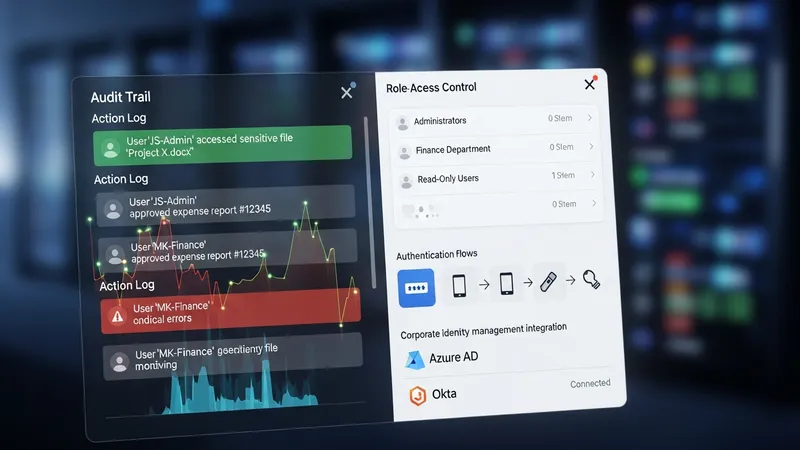
Access control mechanisms often integrate with corporate identity and access management systems to provide centralized user administration. This integration can facilitate compliance with policies related to least privilege, segregation of duties, and timely revocation of user rights upon role changes or departures. Platforms frequently allow granular configuration of permissions to reflect organizational structures and regulatory mandates.
Regular review of access permissions and audit trails can be an essential part of compliance programs. SaaS platforms may provide reporting tools or dashboards to assist compliance teams in identifying unusual access patterns or lapses in policy enforcement. Some platforms include alerting capabilities for suspicious activities, which can enhance preventive compliance measures, though human analysis remains an important component.
The retention of audit logs in a secure and immutable manner is often necessary for compliance records retention. Many regulations specify minimum retention periods and standards for log integrity. SaaS vendors may offer encrypted storage options and backup procedures to maintain these records over time. Such technical provisions support organizations in meeting regulatory evidence requirements during inspections or investigations.