
Energy Bill Reduction: Methods To Improve Home Efficiency

Reducing household energy bills is an approach that centres on optimising a home’s use and conservation of energy. This involves physical improvements to the building, updating appliances to more efficient models, and changing everyday usage habits. In Australia, these efforts are shaped by available technologies, climate considerations, government policies, and the specific designs of homes in different regions. The main objective is to lower ongoing costs while maintaining comfort and meeting daily needs.
Several strategies may contribute to greater home efficiency. Insulation improvements, upgrading to energy-rated electrical appliances, and adopting smarter energy management practices are among the common methods. These options tend to have varying levels of upfront expense, but the intended result is to reduce the total energy consumed by the household over time. Australian households may encounter distinct patterns in energy usage due to weather variations and regulatory factors in each state or territory.
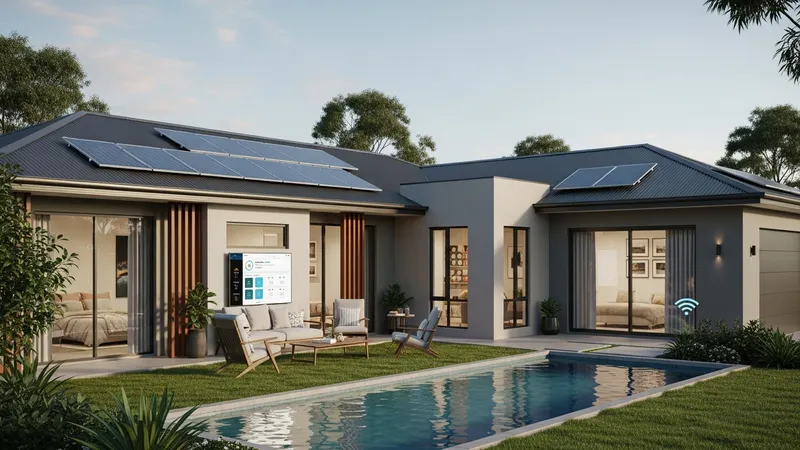
- Installing roof and wall insulation: Insulation acts as a barrier, reducing the amount of heat entering or leaving a house. Common materials include glass wool and polyester batts. Australian homes could see installation costs from approximately AUD $1,000 to $4,000 for roof insulation, depending on property size and insulation type. More details are available from energy.gov.au.
- Adopting energy-efficient appliances: Devices rated by the Energy Rating Label may use less electricity for the same function. Appliances such as refrigerators, washing machines, and air conditioners vary in price, but efficient models can start around AUD $500 and upwards. The Energy Rating website lists current standards and ratings.
- Implementing smart energy use habits: Actions such as turning off unused lights, setting thermostats to conservative temperatures in winter or summer, and using heavy-load appliances during off-peak periods can help manage energy expenditure without requiring major updates to the home. Guidelines are provided at Energy Saver NSW.
A variety of building types in Australia affect how energy efficiency efforts are carried out. For example, homes in tropical areas typically require different insulation or cooling methods compared to those in southern regions. Household size and daily routines also influence which methods may offer the greatest effect in specific circumstances.
The benefits of improving home efficiency generally include more stable indoor temperatures, reduced strain on heating or cooling systems, and lower overall utility costs. While potential savings will vary, some households may notice differences in their regular billing periods following upgrades or habit changes, subject to the scale of modifications and external climate factors.
Government programs and regulatory frameworks can support Australians seeking to improve their home’s efficiency. For instance, statewide assistance and rebate programs may be available for insulation or appliance upgrades. Information about eligibility and processes is typically provided through official government portals and energy agencies.
Evaluating which improvements are most suitable often involves assessing current energy use patterns and identifying areas where upgrades or behavioural changes can make significant contributions. Both immediate changes and longer-term investments may play roles in reducing energy consumption, depending on individual household needs and goals.
In summary, the process of improving home efficiency is multifaceted and requires consideration of the unique aspects of Australian homes, climate, and available technology. The following sections provide more detailed examination of each core method, including insulation, appliance selection, and the development of energy-smart habits.