
Energy And Utility Providers: Key Services And How They Operate

Energy and utility providers play a crucial role in the United Kingdom, offering essential services that support daily life and economic activity. These organisations are involved in the production, transmission, distribution, and retail of electricity and gas. Each stage requires adherence to regulations and operational standards designed to keep supply stable and pricing practices transparent. The landscape in the UK reflects a mix of traditional and renewable energy sources, integrated through a widespread infrastructure to reach both residential and commercial consumers.
In the UK, energy and utility providers typically focus on multiple functions, including energy generation, infrastructure management, billing, and customer support. The interaction between different entities—such as generators, transmission operators, distributors, and retail suppliers—follows a model overseen by national and sector-specific regulatory authorities. This integrated approach aims to ensure efficient resource management and consumer protection, while promoting gradual adoption of renewable resources as part of national energy policy.
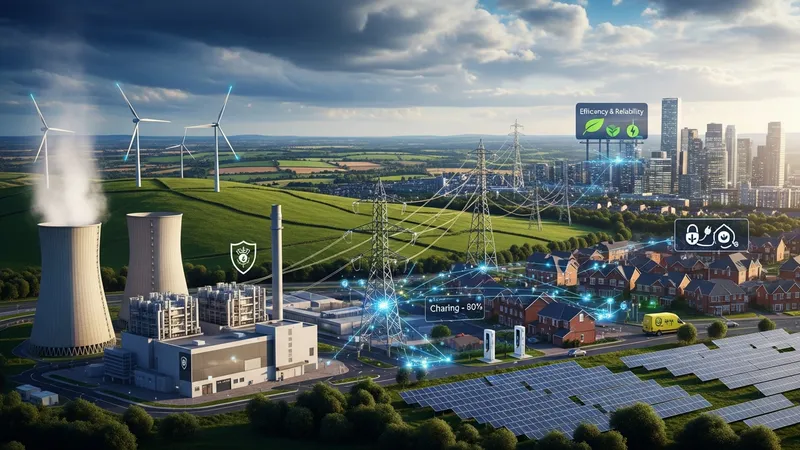
- National Grid Electricity Transmission: Manages high-voltage transmission of electricity across England and Wales. Operates under regulated revenue frameworks, with charges often incorporated into household bills as a standing charge or integrated rate, typically ranging from £80–£120 per year for residential users.
- British Gas: One of the UK’s main energy suppliers, handling gas and electricity retail services. Tariff rates can vary, but a standard variable tariff may range between £0.25–£0.30 per kWh for electricity and £0.07–£0.08 per kWh for gas, subject to regulatory caps.
- Ofgem: The independent regulator for Great Britain’s gas and electricity markets. While not a provider itself, Ofgem sets price caps and compliance guidelines, monitoring providers’ practices to support fair billing and service standards.
Energy providers in the UK often operate under detailed frameworks designed to balance supply and demand. For instance, the National Grid coordinates transmission, working closely with both large-scale power stations and distributed renewable sources. This ensures that electricity generated from varied sources can be efficiently routed through the grid.
Retail energy suppliers are responsible for setting tariffs, administering contracts, and providing customer service. Their responsibilities also include helping consumers switch suppliers if they wish and managing smart meter installations in accordance with governmental mandates. This structure enables market competition, which may influence consumer pricing and service offerings.
The National Grid’s infrastructure is a backbone for electricity movement, connecting generators with regional distribution networks. These networks, operated by separate Distribution Network Operators (DNOs), are vital for delivering energy directly to homes and businesses. Regulation sets obligations on DNOs regarding reliability and customer service standards.
Customer billing and support are critical features of utility provider operations. Companies like British Gas typically offer various payment options and online account management, while also tracking usage to provide more accurate billing based on actual rather than estimated consumption. This can support budget management for both households and businesses.
To summarise, energy and utility providers in the United Kingdom are interconnected across several operational phases: production, transmission, distribution, and delivery to end-users. The main examples described above illustrate the core segments and regulatory oversight involved. The next sections examine practical components and considerations in more detail.