
End Of Line Automation: Streamlining Packaging And Logistics Processes

Common Challenges and Adaptations in Mexican Manufacturing Automation
Implementation of automated end of line systems in Mexico may encounter challenges influenced by facility design, workforce skills, and product diversity. Spatial constraints in older plants might limit the adoption of larger equipment, prompting the use of modular or compact systems better suited to existing layouts.
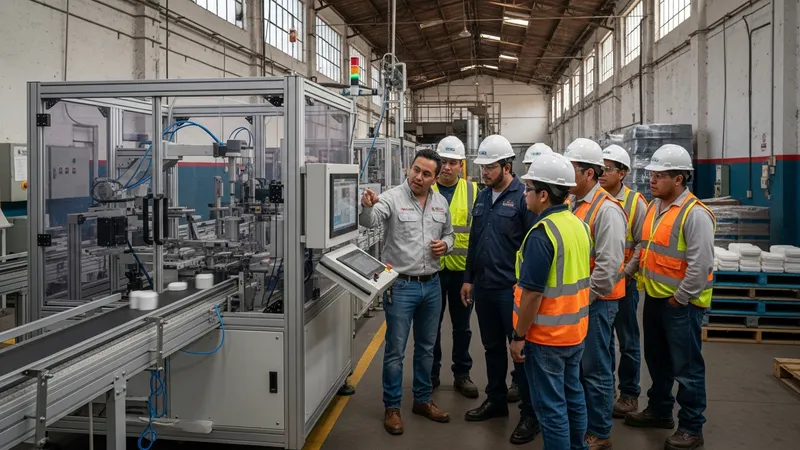
Workforce adaptation is another factor, as the transition from manual to automated processes often requires training in machine operation and maintenance. Mexican training programs and technical institutions may assist in addressing this need, though variability in availability can affect implementation timelines.
Supply chain fluctuations, characteristic of certain Mexican industrial sectors, can necessitate systems flexible enough to handle periodic changes in production volumes or product specifications. Such flexibility often comes with increased initial complexity and cost considerations.
Regulatory considerations, including compliance with safety and environmental standards in Mexico, influence equipment selection and operational procedures. Ensuring conformity with norms issued by organizations such as the Secretaría del Trabajo y Previsión Social (STPS) may require periodic inspections and updates to system configurations.