
Electronics Clearance: Key Factors That Influence Pricing And Product Selection

Disposition paths and operational considerations for cleared electronics
Once an item is selected for clearance, retailers evaluate disposition options that affect the net recovery. Typical paths include continued retail discounting, certified open-box resale, refurbishment for resale through secondary channels, manufacturer return or trade-in programs, donation, or recycling. Each path has cost and regulatory implications: refurbishment requires inspection and repair capabilities, while recycling for electronic waste must follow environmental and safety regulations, particularly for batteries and hazardous components.
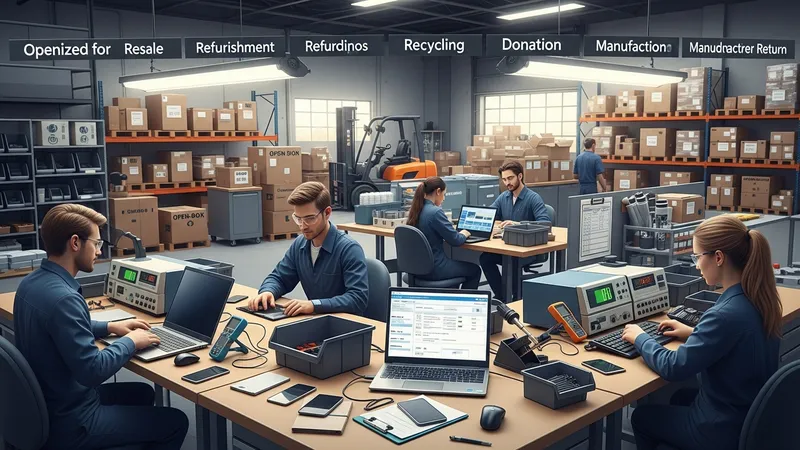
Reverse logistics costs and repair cycle times influence whether refurbishment is viable. Retailers with established refurbishment operations may recover more value by restoring units for resale, whereas those lacking such capabilities may prefer bulk liquidation. Documentation of item condition, repair history, and remaining warranty is important for accurate valuation in secondary channels and for compliance where warranties or consumer protections apply.
Legal and environmental considerations may shape clearance decisions. Disposal of certain electronic components is regulated in some jurisdictions, and retailers may be required to follow specific recycling or reporting procedures. Even where not legally mandated, many retailers consider extended lifecycle strategies—like refurbish-and-resell partnerships—to align with sustainability objectives and to reduce potential liabilities associated with improper disposal.
Operational coordination across merchandising, supply chain, and customer service functions is also necessary. Clear internal policies on markdown authority, condition assessment, and communication of open-box statuses reduce inconsistency. Information flows from point-of-sale and inventory systems back into planning engines can improve future clearance timing by refining forecasts and identifying recurring patterns in which SKUs enter clearance most often.