
E-Learning For Businesses: How Digital Platforms Support Employee Education

Types of E-Learning Platforms Supporting Employee Education
E-learning platforms used by businesses differ significantly depending on format, deployment method, and specific functionalities. Learning Management Systems (LMS) often represent a core category, encompassing tools that store, organize, and monitor content delivery. These systems typically support structured course creation and offer customizable interfaces to suit organizational branding and requirements. They may incorporate features such as user progress tracking, reporting capabilities, and integration with other software commonly found in corporate environments.
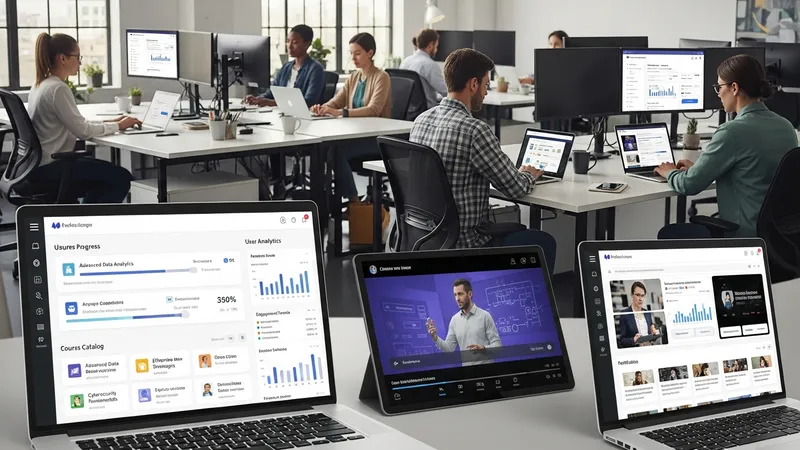
Video training platforms emphasize multimedia content and usually offer extensive course libraries covering technical skills, management, compliance, and more. The self-paced nature of such platforms allows employees to engage with learning materials at their convenience. Some platforms provide options for content creators to upload and manage proprietary video resources as part of a broader training program. This format may be particularly useful for visual learners and employees needing refresher training over time.
Virtual classroom solutions enable real-time interaction between instructors and learners, which can replicate traditional classroom dynamics. These platforms may include features such as breakout rooms for smaller group discussions, polls for participation, and shared digital whiteboards. Their synchronous delivery method facilitates immediate feedback and active engagement, beneficial for complex or collaborative subjects. Deployments of virtual classrooms might require stable internet connections and scheduling coordination across teams or global offices.
Additionally, blended learning approaches merge elements from these platform types to provide a more comprehensive training experience. Organizations may combine self-paced e-learning modules with scheduled virtual sessions to suit different learning preferences and operational constraints. This hybrid strategy can address varied educational aims within larger enterprises, offering both flexibility and facilitated learning components. Choosing among these platform types often depends on the organizational culture, workforce distribution, and specific training goals.