
Dynamic Water Solutions: Optimizing Water Management Strategies

Data Integration in Adaptive Water Management
Data integration is central to dynamic water solutions, as combining information from varied sources provides the foundation for informed decisions. Inputs may include hydrological data, weather forecasts, infrastructure status reports, and user demands. Effective systems often employ automated processes to aggregate, clean, and analyze these data streams so that trends and anomalies can be identified quickly.
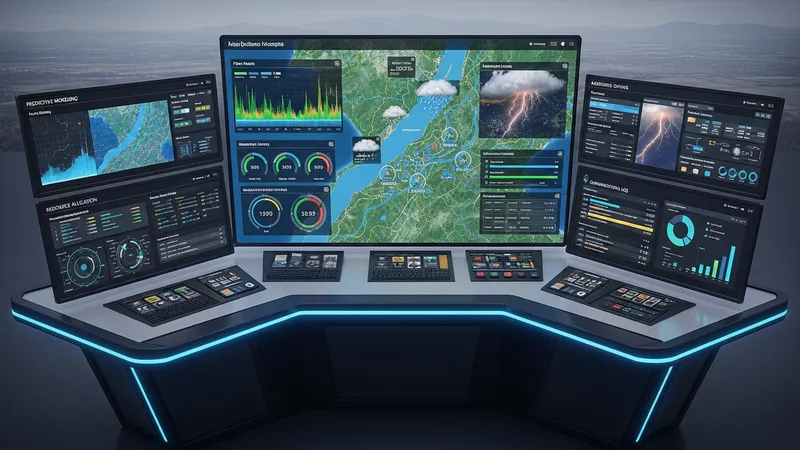
Cloud-based platforms are increasingly used to facilitate the storage and sharing of integrated data. This approach allows stakeholders to access real-time updates from remote monitoring equipment and user reporting apps. Such seamless integration can improve transparency, enabling data-driven collaboration among regional authorities, utilities, and researchers.
The application of machine learning algorithms to integrated datasets offers additional capabilities in forecasting and anomaly detection. By recognizing patterns and flagging outliers, these tools may provide advance notice of events such as water main breaks or contamination sources. This advance notice can support more timely and targeted interventions.
Even with automation, human oversight remains key in interpreting results and setting priorities. Decision-makers typically use integrated data to validate findings, test assumptions in modeling scenarios, and communicate with affected parties. The goal is to ensure that dynamic water solutions remain responsive to both digital intelligence and field realities.