
Dubai Housing: Key Factors Influencing Rental And Purchase Decisions

Dubai’s residential landscape is shaped by a combination of geographical, infrastructural, social, and regulatory factors. The decision-making process for renting or purchasing housing in Dubai involves assessing variables such as locality, access to transport networks, planned developments, types of properties, and the governing legal framework. Understanding these dimensions can provide a more comprehensive view of how residents and investors evaluate housing options within the city.
Location within Dubai is a significant consideration, as proximity to business districts, shopping centers, schools, and recreational facilities may directly influence rental or purchase preferences. Infrastructure quality, including road connectivity, public transportation, and utility services, also impacts housing desirability. Additionally, master-planned communities and the variety of available property types present further choices that can align with different resident needs.
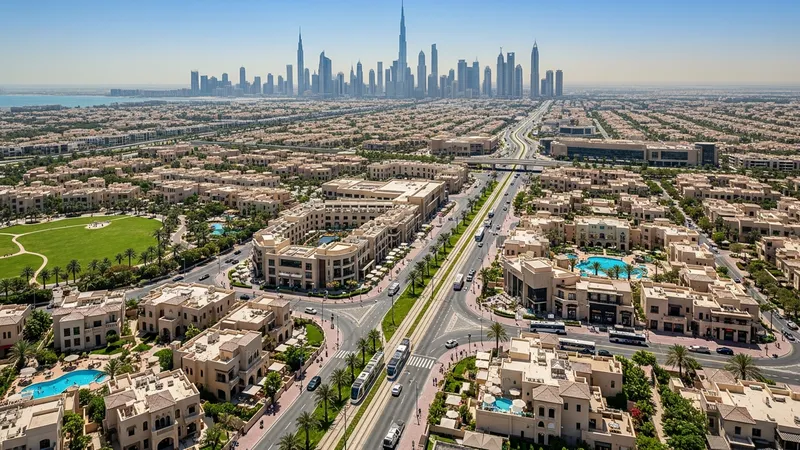
- Freehold Properties: Typically found in areas like Dubai Marina and Downtown, these properties allow non-nationals to purchase and fully own the property. See explanations at Dubai Land Department.
- Leasehold Properties: Here, residents may lease property for a specified term, often up to 99 years, with ownership reverting to the landlord after the period expires. More detailed information is available at Dubai Land Department Ownership Types.
- Master-Planned Communities: Developments like Arabian Ranches or Jumeirah Village offer integrated amenities and regulated community environments. These are typically described in detail at Dubai Municipality Projects.
Legal frameworks regulate both rental and purchase transactions, supported by governmental agencies such as the Dubai Land Department and the Real Estate Regulatory Agency. Oversight includes setting standard contracts, deposit regulations, and dispute resolution protocols. This structure is designed to support transparency and consistency across residential dealings.
Decisions regarding rental or purchase can also be influenced by the availability and type of amenities, including parking, security services, green spaces, and proximity to community resources. Integration of such amenities into master-planned communities can guide resident preferences toward certain areas based on lifestyle requirements.
Pricing for residential units in Dubai is variable, commonly linked to location, property type, and community planning. For instance, properties in central business districts may command higher prices than suburban or outlying developments. Pricing information is typically published in regular market reports from official sources.
Urban development trends, such as the launch of sustainable or mixed-use communities, play a role in shaping long-term housing demand and availability. These projects may incorporate smart infrastructure and green design, reflecting broader shifts in residential planning.
In summary, Dubai’s housing market is multifaceted, shaped by location, infrastructure quality, property types, and regulatory considerations. The next sections examine practical components and considerations in more detail.