
Drug-Induced Parkinsonism: Key Causes And Risk Factors

Medication Categories and Their Role in Drug-Induced Parkinsonism
Antipsychotic medications are among the most commonly associated drugs with the development of parkinsonian symptoms. These medications, such as haloperidol and risperidone, are widely used in the management of psychiatric conditions. Their mechanism often involves dopamine receptor blockade in the central nervous system, which may disrupt normal motor control pathways. Clinicians monitoring individuals receiving these medications frequently assess for emerging movement-related side effects as part of ongoing management.
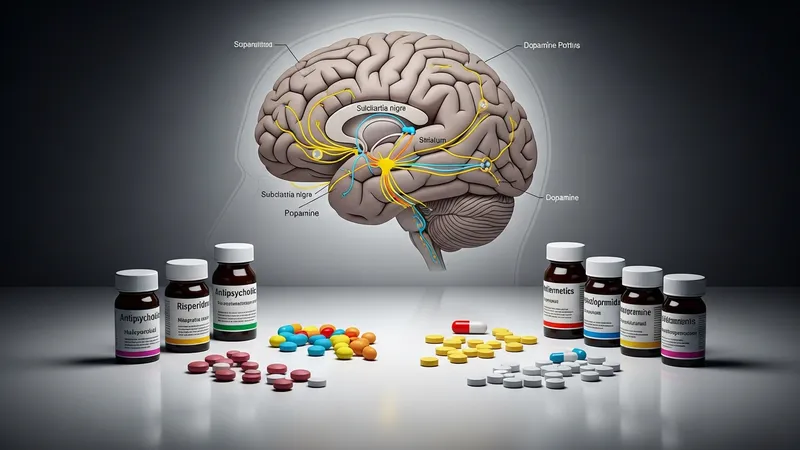
Antiemetic agents, including metoclopramide and prochlorperazine, are frequently prescribed for nausea, vomiting, or gastrointestinal disorders. The pharmacological profile of these drugs includes action on dopamine receptors, which explains their potential to induce parkinsonism in sensitive individuals. While these side effects are relatively uncommon, the association is well-documented in clinical literature and warrants consideration when unexplained motor symptoms present during therapy.
Calcium channel blockers, such as flunarizine, play a role in migraine and hypertension management. Although their primary function relates to vascular regulation, some agents in this class have been reported to produce parkinsonian symptoms, particularly in those with heightened susceptibility. This illustrates how diverse drug classes, beyond standard psychiatric or gastrointestinal medications, may occasionally contribute to movement disorders.
Predicting which individuals may develop drug-induced Parkinsonism remains complex, as not all exposed persons experience symptoms. Factors such as duration of drug exposure, cumulative dose, and intrinsic biological vulnerability can shape risk profiles. Recognizing medication triggers provides an important context for informed diagnostic and therapeutic decision-making. The next page discusses symptom patterns and clinical presentation in greater detail.