
Drug Induced Dyskinesia: Overview Of Causes And Risk Factors

Biological Mechanisms in Drug-Induced Dyskinesia
At the core of drug-induced dyskinesia are changes within the brain’s signaling pathways, especially those involving dopamine, a neurotransmitter essential for coordinating movement. Medications that alter the function or availability of dopamine can shift the balance between excitation and inhibition in neurons controlling muscle activity. This imbalance often underlies the emergence of involuntary movements observed in dyskinesia cases.
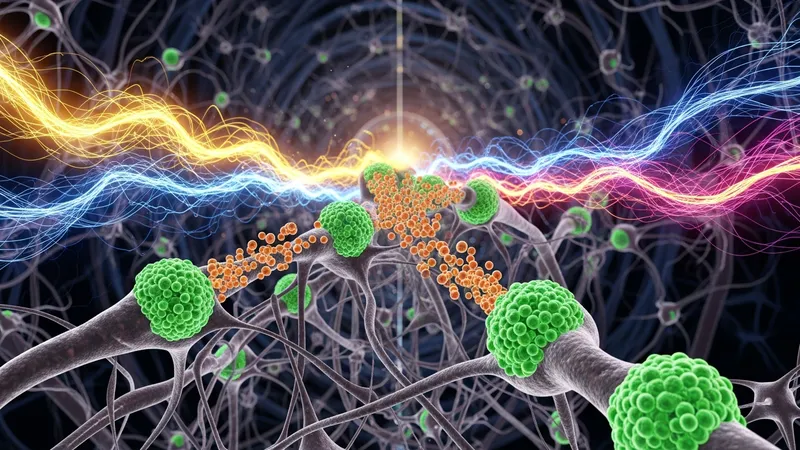
The sensitivity of dopamine receptors may increase after repeated exposure to antagonists or agonists, a process termed receptor upregulation or sensitization. These adaptive changes are thought to make neurons more responsive to fluctuating dopamine levels, contributing to the unpredictable or excessive motions typical of dyskinesia. Such neuroplastic responses underscore the challenge of managing long-term drug regimens.
Further, the effects of drug-induced dyskinesia extend beyond dopamine alone. Other neurotransmitter systems, such as serotonin and acetylcholine, play supportive or modulatory roles in motor control. Interactions between these networks can amplify the impact of medication-related changes, leading to greater variability in clinical presentations and complicating efforts to forecast individual risk precisely.
Research using brain imaging and neurochemical analyses is ongoing to unravel the finer details of mechanism. Current findings suggest that the phenomenon results from a combination of altered receptor activity, changes in neurotransmitter release, and downstream effects on neural circuits governing voluntary movement. Incremental scientific progress continues to inform prevention and mitigation approaches without offering absolute predictability.