
Digital Calibration Systems: Enhancing Accuracy In Measurement Processes

Key Features of Digital Calibration Platforms in Measurement Processes
Digital calibration systems often include features such as automated test sequencing, comprehensive data logging, and customizable reporting formats. Automated sequencing enables scheduled calibrations, reducing the risk of missed maintenance and helping ensure that equipment remains within specified tolerances. These features support organizations in maintaining consistency across multiple devices, especially where frequent calibration is required due to regulatory or operational demands.
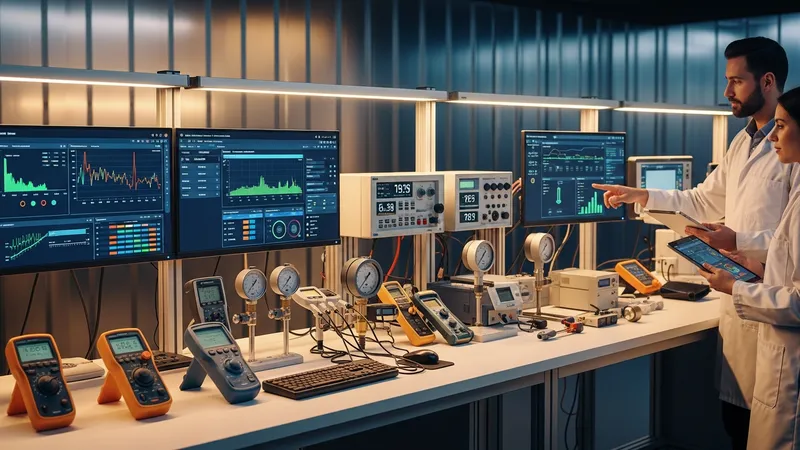
Another typical characteristic is robust data management, as digital calibration systems may store large volumes of measurement records securely. In Mexico, for example, organizations may be required to provide detailed calibration logs during audits or regulatory inspections. The ability to quickly retrieve, analyze, and present historical data can be particularly useful in demonstrating compliance or identifying trends in instrument performance over time.
User access controls and authentication are key security features in many digital calibration platforms. These ensure that only authorized personnel can perform calibrations and modify records, protecting data integrity. Implementing such controls aligns with good manufacturing or laboratory practices, reducing the chance of accidental or intentional data tampering.
Integration options, such as communication with asset management or laboratory information systems, are also frequently available. These integrations can allow calibration schedules to be coordinated with broader asset workflows or maintenance routines. The interoperability provides greater operational visibility and may support improved resource allocation when managing large equipment inventories.