
Debit Card Fraud Prevention: Essential Security Measures To Consider

Authentication Techniques for Secure Debit Card Transactions
Authentication methods in Mexico seek to establish the identity of the cardholder in various transaction contexts. EMV chip cards have become widespread across ATMs and point-of-sale terminals, providing encrypted communication that may reduce risks of cloning compared to traditional magnetic stripe cards.
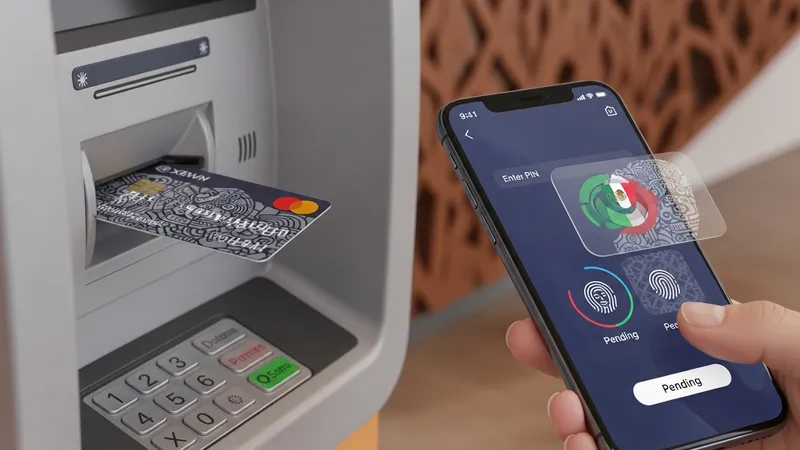
Additional layers of authentication may include PIN codes, biometric verification (where supported by mobile apps), and token-based authentication systems. Some Mexican banks integrate biometric options such as fingerprint or facial recognition within their mobile banking solutions for transaction approval.
Two-factor authentication (2FA) increasingly complements physical card security by requiring an additional verification step. In Mexico, this often manifests through OTPs (One-Time Passwords) sent via SMS or generated by secure banking apps, applicable particularly in online transactions or mobile fund transfers.
Limitations in authentication can arise due to disparities in technology adoption across regions, as some users may not have access to mobile or internet-based verification methods. Addressing these challenges is a focus within Mexico’s regulatory discussions around financial inclusion combined with security.