
Data Center Thermal Management: Key Strategies For Optimizing Cooling Efficiency

Environmental Monitoring and Ongoing Optimization in Thermal Management
Deploying environmental sensors throughout Canadian data centers allows operators to track temperature, humidity, and airflow continuously. Sensor data can alert personnel to fluctuations or anomalies that could point to equipment issues or evolving thermal patterns within the facility.
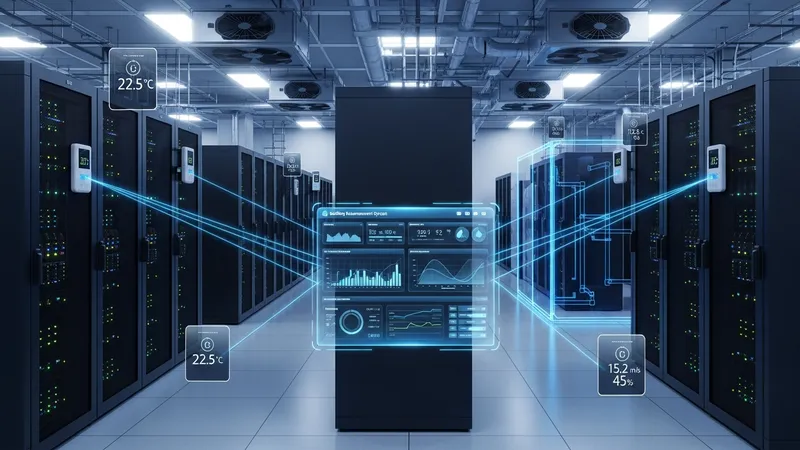
Integration with building management or data center infrastructure management (DCIM) platforms enables automated reactions to sensor inputs. For instance, cooling output may be adjusted incrementally in zones experiencing higher loads. This may help conserve energy while maintaining protective safeguards for critical assets.
Canadian data centers frequently adopt phased sensor deployments, scaling up as needs and budgets allow. Ongoing analysis of collected data can prompt targeted infrastructure upgrades or improved airflow arrangements, supporting gradual refinement rather than disruptive overhauls.
Continued monitoring and incremental optimization contribute to resiliency and cost management in Canadian data center operations. Over time, evidence-based adjustments made in response to real-time data can foster a more reliable and energy-conscious thermal management environment.