
Criminal Defense Attorneys: Navigating Legal Representation In Criminal Cases

Stages of Criminal Procedure Relevant to Defense Attorneys in Canada
Criminal cases in Canada may progress through several procedural stages, and defense attorneys play a role at each phase. The initial stage often involves arrest or summons, followed by a bail hearing where lawyers advocate for release or appropriate conditions. These proceedings typically require rapid analysis of police reports and can involve presenting risk assessments to the court.
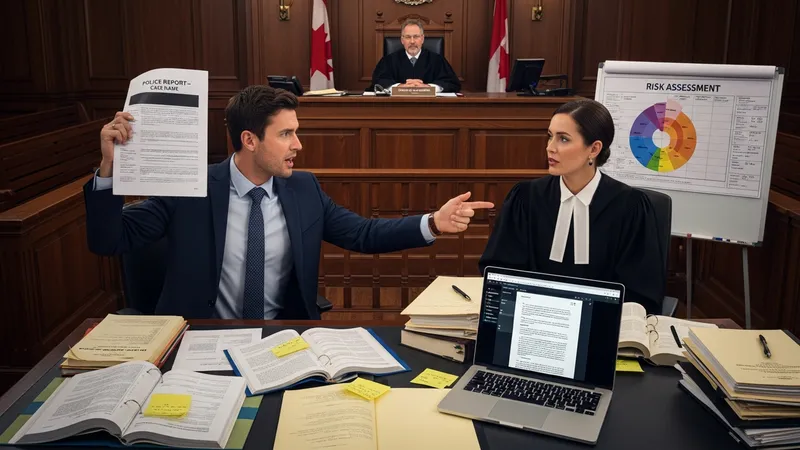
The pre-trial phase includes document disclosures, motions, and the exploration of possible Charter applications. Defense lawyers use this period to evaluate evidence, identify possible procedural issues, and construct a case framework. Engagement with forensic or technical experts may occur if the evidence requires additional interpretation, and early discussions with the Crown may set the tone for later negotiations.
The trial stage provides an opportunity for defense attorneys to cross-examine witnesses, challenge evidence, and make legal arguments on behalf of their clients. In Canada, the burden of proof rests with the prosecution, and defense counsel uses this standard to test the sufficiency and reliability of presented evidence. Closing submissions summarize the defense’s interpretation of facts and relevant law.
Sentencing represents the final procedural stage, which takes place if a finding of guilt is entered. Defense attorneys may offer submissions on mitigating factors, precedents, rehabilitation opportunities, and proportionality in sentencing. The role of counsel in this phase is to advocate for outcomes that reflect the specific circumstances of the accused while respecting legal and societal expectations.