
Coworking Space Facilities: Key Amenities And Their Impact On Productivity

Quiet Spaces as an Amenity in Coworking Facilities
Quiet zones are intentionally designed as areas for minimal noise and distractions, supporting individuals who may benefit from concentrated work. These areas can feature architectural enhancements such as soundproof walls, acoustic dividers, and soft furnishings to absorb noise. The goal is to reduce external stimuli and allow for deep focus, especially for tasks demanding sustained attention or creativity.
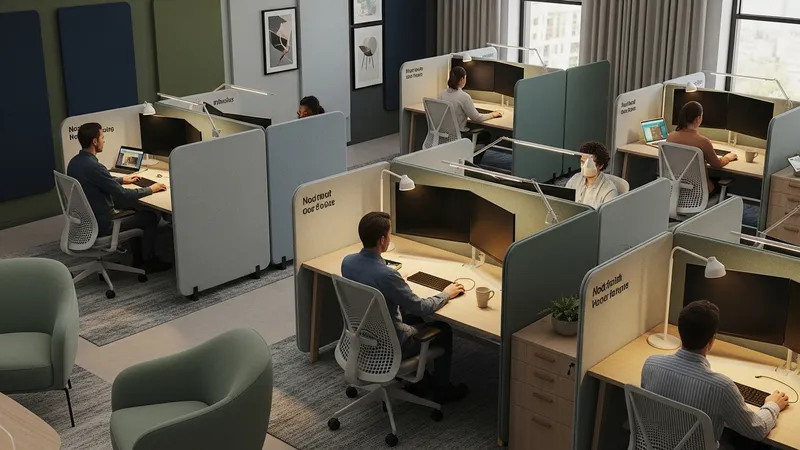
Implementation of quiet zones varies among coworking facilities. Some offer dedicated rooms, while others designate time blocks when certain areas operate as silent workspaces. Users may find clear guidelines on acceptable noise levels, mobile phone use, or conversation policies within these zones. The careful arrangement of furniture and spatial planning can optimize these spaces for privacy and individual focus.
Quiet spaces are often chosen by professionals in roles that depend on critical thinking, research, or written output. Remote employees and freelancers who require uninterrupted periods for report drafting, design work, or coding projects frequently utilize these amenities. The availability of such zones provides a recognizable benefit for a variety of work styles present in shared settings.
Feedback from users on the impact of quiet zones is generally captured through periodic surveys or informal input. While the restorative and productivity-supporting functions of such facilities are widely noted, some users may prefer more collaborative or open settings depending on project requirements. Flexible design and user feedback often influence the evolution of quiet zone policies in coworking environments.