
Cosmetic Supply Chain: Key Stages And Processes Explained

Distribution, Retail, and Sustainability Initiatives in the Cosmetic Supply Chain
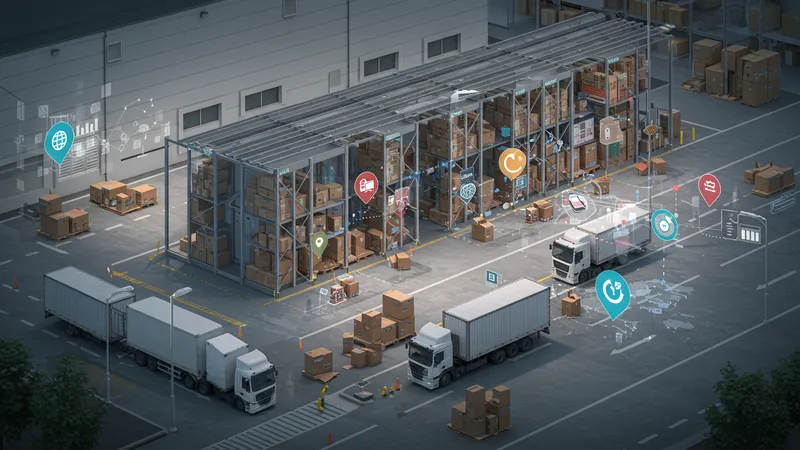
Distribution involves moving finished cosmetic products from manufacturing sites to retail locations or e-commerce warehouses. Logistics providers may offer services such as temperature-controlled storage, inventory tracking, and customs clearance for international shipments. Effective distribution management can impact delivery times and reduce inventory-related costs or spoilage risks.
Retail placement is another critical element of the supply chain. Brands may work with established retailers, online platforms, or direct-to-consumer models. Shelf space negotiations, merchandising, and digital product listings are handled in this stage to maximize visibility and accessibility for end customers. Retailers may set requirements for packaging durability and compliance documentation.
Sustainability and transparency are growing focus areas within the cosmetic supply chain. Efforts may include sourcing renewable materials, verifying cruelty-free claims, or adopting carbon-reduction initiatives throughout manufacturing and transport. Companies may also participate in industry programs or obtain certifications that demonstrate their commitment to environmental and ethical standards.
Finally, the customer feedback loop plays an important role in informing future supply chain improvements. Brands collect input on product performance, packaging functionality, and user experience, using data to refine sourcing, manufacturing, and distribution practices. Accurately capturing and acting on feedback may help companies adapt to emerging trends and regulatory expectations while maintaining competitiveness in dynamic markets.