
Cosmetic Supply Chain: Key Stages And Processes Explained

Manufacturing, Formulation, and Quality Assurance in the Cosmetic Supply Chain
Once raw materials arrive at manufacturing facilities, they are combined according to precise formulations designed by cosmetic chemists. This stage involves blending, homogenizing, and, when necessary, heating or cooling ingredients to form stable emulsions or solutions. Large-scale equipment can process hundreds to thousands of units per batch. Manufacturers typically keep detailed records for batch traceability and quality management.
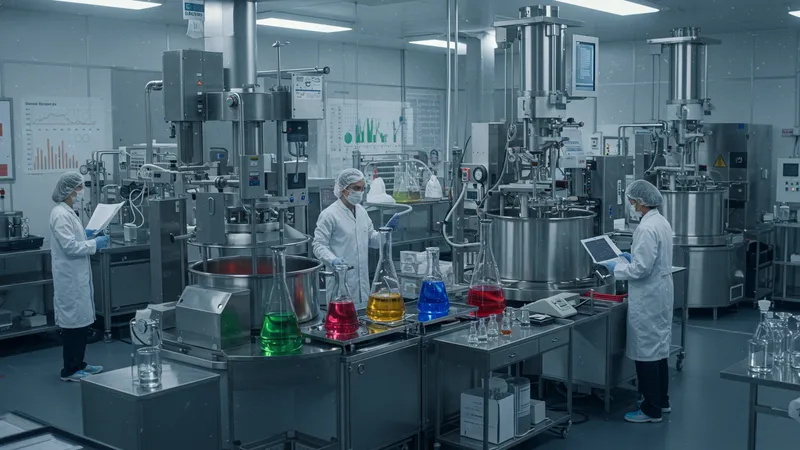
Quality assurance is an ongoing aspect of the cosmetic supply chain during and after production. Samples are taken throughout manufacturing runs for laboratory analysis, ensuring conformity with specifications and regulatory requirements. Batch release frequently depends on passing physical (e.g., viscosity, texture) and microbiological safety tests, as outlined in codes of practice like ISO 22716 for cosmetics.
Formulation strategies may take into account market needs, ingredient compatibility, and regulatory considerations. Some products may incorporate specialized delivery systems, encapsulated actives, or preservatives intended to extend shelf life. These choices may affect formulation costs and processing times, requiring coordination between R&D and production planning teams.
Waste management and sustainability practices are increasingly considered in this phase. Many manufacturers seek to minimize waste or recycle non-hazardous materials in alignment with environmental goals. Implementing such initiatives may require certification, documentation, and potentially additional audit steps in the supply chain.