
Cosmetic And Toiletry Wholesaling: Insights Into Supply Chain Processes

Supply Chain Components in Cosmetic and Toiletry Wholesaling
A key part of cosmetic and toiletry wholesaling is the coordination required at each stage of the supply chain. Starting with product procurement, wholesalers may establish agreements with both local and international manufacturers to access a wide assortment. This sourcing strategy helps wholesalers manage risks related to supply interruptions and fluctuating market demand, ensuring reliable access to in-demand product categories.
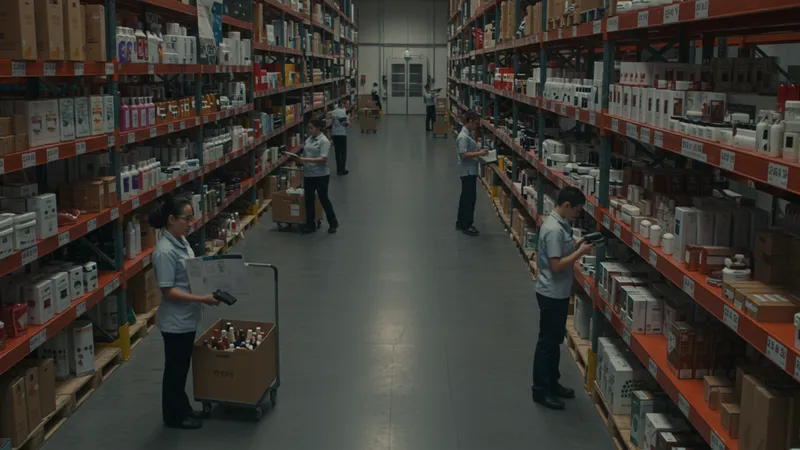
Warehousing plays a central function in this sector. Products are often stored in distribution centers equipped with specialized shelving, climate controls, or security systems to accommodate the requirements of sensitive cosmetic goods. Some wholesalers implement barcode or RFID scanning for more accurate inventory tracking, which may help reduce errors and streamline restocking activities across multiple sales channels.
Order fulfillment and delivery logistics are shaped by the perishable nature and regulatory standards of cosmetic products. Wholesalers routinely collaborate with transportation providers to move goods efficiently while minimizing the chances of damage in transit. Shipping options may range from express small-batch delivery for urgent retail needs to regular scheduled shipments that fit established inventory cycles for larger customers.
Returns management is also significant in this industry. The handling of expired or damaged goods may involve strict adherence to health and safety protocols. Wholesalers often implement clear tracking systems to document product returns, providing transparency for both retailers and suppliers and ensuring compliance with legal and industry guidelines regarding consumer protection and product safety.