
Conveyor Systems Manufacturers: Key Considerations When Selecting Industrial Suppliers

Load capacity, material compatibility and structural requirements
Assessing load capacity involves translating process throughput into peak and average loads the conveyor must withstand. Suppliers often present capacity as mass per linear metre or tonnes per hour, accompanied by recommended maximum belt tensions and motor power ranges. Duty cycles—continuous versus intermittent operation—can substantially influence component sizing and expected wear rates. Additionally, point loads from pallets or heavy containers may require reinforced frames or special support rails; these structural requirements are typically documented in supplier datasheets or engineering proposals.
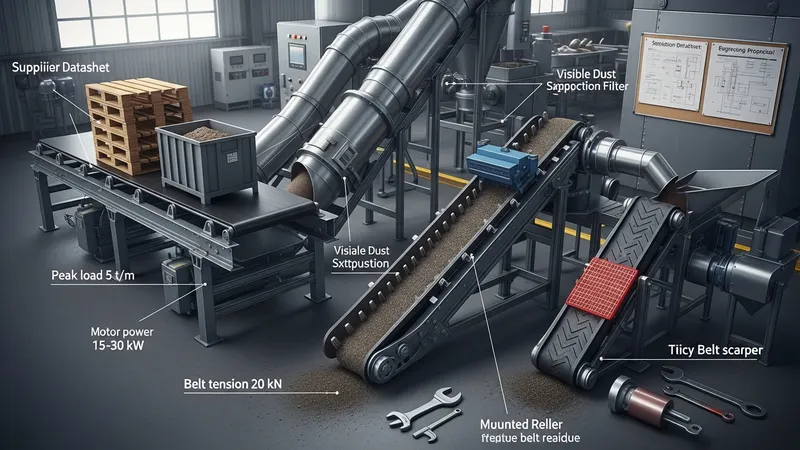
Material compatibility extends beyond simple abrasion characteristics to include particle shape, moisture content, electrostatic behaviour, and risk of segregation. Conveying fine powders often requires enclosed or tubular solutions to limit dust, while sticky or cohesive materials may need belt scrapers, heated sections, or special coatings. Suppliers commonly list material handling limitations and suggest mitigation measures such as belt cleats, flighting, or vibratory aids. These factual considerations can influence both initial capital layout and long-term maintenance demands.
Environmental and safety-related structural requirements are also part of supplier assessments. Exposure to corrosive atmospheres, extreme temperatures, or washdown processes may drive material choices for frames and fasteners. Suppliers may offer different protection levels including surface treatments, stainless-steel grades, or encapsulated bearings. Structural design must account for anchoring to floors, seismic considerations in some regions, and alignment tolerances to prevent tracking issues. Such structural factors are technical inputs to procurement specifications rather than guarantees of site performance.
Drive and support component selection ties directly to capacity and structural design. Motor sizing, gearbox ratios, and bearing types are selected to accommodate starting torque, slope resistance, and expected shock loads. Suppliers often provide typical motor ratings and gearbox configurations for given capacities and may note when regenerative braking or soft-start controls are advisable. These details help quantify expected electrical demand and maintenance intervals, forming part of a realistic lifecycle perspective when comparing supplier offers.