
Construction Site Set Up: Key Risk Assessment Steps For Safety Compliance

Selection and Implementation of Control Measures for Construction Site Setup
Once risks have been evaluated, the next stage in UK construction site setup is applying suitable control measures to mitigate those risks. This process starts with considering the hierarchy of controls, which prioritises eliminating hazards entirely, followed by substituting safer processes or materials, implementing engineering controls, using administrative steps, and finally relying on personal protective equipment (PPE) as a last resort. By applying this order, project leaders typically aim to achieve what is reasonably practicable in the site context, as mandated by UK law.
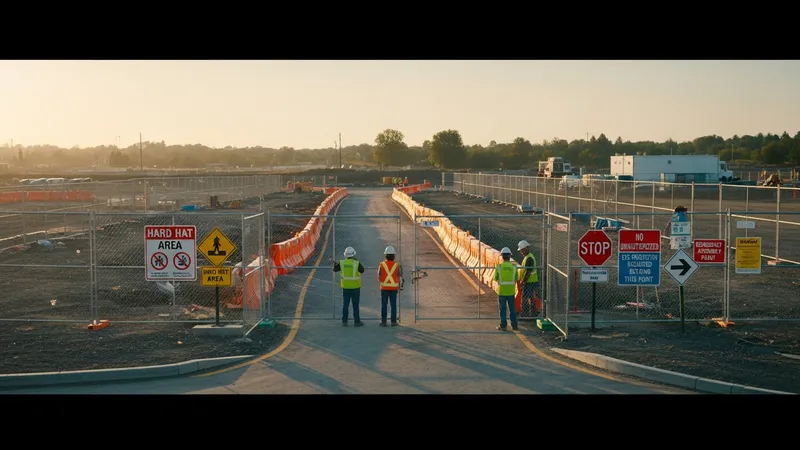
Common control measures during setup may include installing secure fencing, using clear signs in accordance with the Health and Safety (Safety Signs and Signals) Regulations 1996, and separating pedestrian walkways from vehicle routes. Construction sites often employ barriers, visual markings, and physical gates to restrict unauthorised access and protect both workers and members of the public. Evidence suggests that combining physical and procedural controls can improve the reliability of risk reduction efforts, especially on busy or congested sites.
Site welfare arrangements, required by CDM 2015, are another example of control measures linked directly to risk assessment findings. Facilities such as toilets, handwashing stations, and clean rest areas must be appropriately located and accessible. These measures help manage health risks, particularly when dealing with hazardous substances or physically demanding tasks. Welfare provisions are routinely inspected and adjusted as site setup progresses and worker numbers change.
Control measure effectiveness is typically monitored throughout the project. Dutyholders may periodically check barriers, signage, or other interventions to verify that they remain fit for purpose as the site environment changes. Adjustments are made as necessary, and all actions are documented within the risk assessment file. This ensures transparency and supports ongoing regulatory compliance under United Kingdom construction law.