
Construction Safety Program: Key Elements And Implementation Strategies

Policy Frameworks in Construction Safety Program: Key Elements and Implementation Strategies
Policy frameworks establish the fundamental requirements and standards that guide construction safety programs. These frameworks often draw from governmental or industry bodies, such as OSHA in the United States, to ensure that company policies align with minimum acceptable practices. Comprehensive safety policies define the responsibilities of managers, supervisors, and workers, and specify expectations for work conduct, hazard recognition, and emergency procedures. Written frameworks add clarity and facilitate consistent enforcement across diverse project sites.
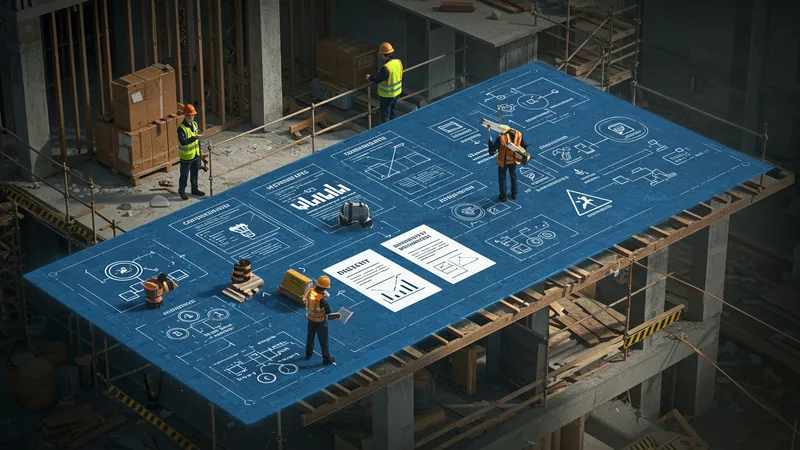
Standard safety policies may include guidelines for equipment usage, site access controls, and procedures for reporting unsafe conditions. Many organizations expand their frameworks to address project-specific risks, such as confined space entry or electrical hazards. Management typically reviews policies on a periodic basis, updating language and requirements to reflect regulatory changes or lessons learned from incident investigations. Policy frameworks serve as reference points for training and disciplinary processes.
Implementation strategies for policy adherence can range from regular safety meetings to visible signage and checklists displayed at key locations on site. Policy communication is often supported through orientations, briefings, and the distribution of manuals or digital resources. Organizations may use audits and site inspections to verify compliance, identifying areas for improvement and reinforcing policy expectations. Documentation of policy dissemination and employee acknowledgment is an important component of regulatory compliance.
Policy frameworks also frequently address risk assessment requirements, including the use of hazard identification tools and job hazard analyses (JHA). By embedding these requirements in formal policy, organizations can ensure systematic evaluation of risks before work begins. Regular policy reviews and structured implementation approaches help to create a proactive, rather than reactive, safety culture in construction projects.