
Coding Bootcamps: Analyzing Industry Growth And Trends

Accessibility and Demographic Trends in Coding Bootcamps: Analyzing Industry Growth and Trends
Coding bootcamps have introduced a range of delivery formats to enhance accessibility for diverse participants. Options such as online, in-person, and hybrid courses allow individuals with different schedules and responsibilities to take part. Remote formats, in particular, have expanded over the past several years, making it possible for learners without proximity to major educational centers to join programs.
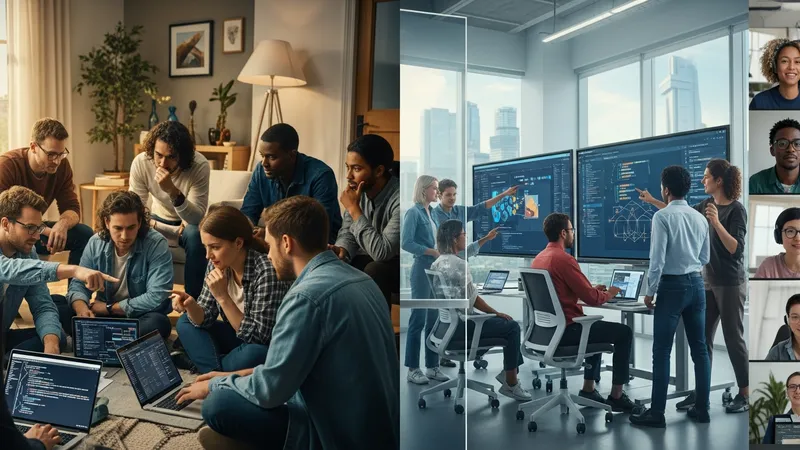
Demographic data indicate that bootcamp participants may include recent graduates, career changers, and those seeking to re-enter the workforce. Many programs do not require formal technical backgrounds, but some experience or aptitude in problem solving is typically beneficial. Bootcamps frequently offer pre-course material or preparatory modules to help bridge initial knowledge gaps.
Efforts to improve inclusion and diversity in technology have influenced recruitment strategies at certain bootcamps. Scholarship programs, deferred tuition models, and targeted outreach aim to reduce barriers for underrepresented groups. While data on long-term diversity impacts are evolving, sector reports show increased participation from women and non-traditional students in some regions and programs.
Flexibility in scheduling, part-time options, and support services such as mentoring or peer groups may further promote participation by a broad range of learners. These measures are intended to address various needs and responsibilities, acknowledging the different pathways individuals take to enter technology industries.