
Coding Bootcamps: Analyzing Industry Growth And Trends

Curriculum Focus in Coding Bootcamps: Analyzing Industry Growth and Trends
Curricula in coding bootcamps often center on programming languages and tools that are widely used in industry. Examples include JavaScript, Python, React, and SQL. These selections are informed by employer surveys and ongoing trends in technology job postings. Bootcamps may adjust their curricula periodically to align with changing workplace requirements and to incorporate new tools or frameworks as they gain relevance in the job market.
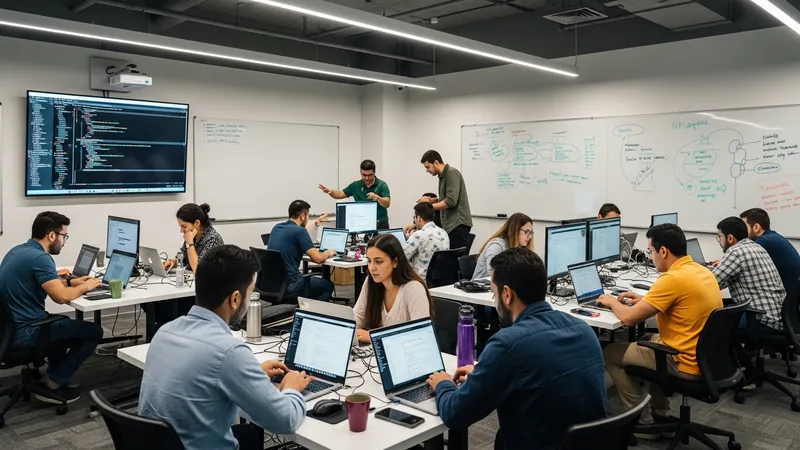
Instructional methods typically emphasize hands-on learning. Students are asked to develop software projects, participate in code reviews, and collaborate in groups to simulate real-world engineering environments. This practical emphasis aims to help learners internalize concepts and build a portfolio of work that may be useful when applying for positions.
Capstone projects are a common feature and may involve designing an application or analyzing a large dataset. These projects serve as a demonstration of skills learned and provide an opportunity to apply multiple concepts in an integrated way. Feedback on these projects is offered by instructors or industry mentors, and iterations are encouraged for continuous improvement.
Because of the condensed structure, bootcamp instructors often use adaptive teaching methods. This can involve live coding sessions, peer-to-peer support, and extended office hours. The goal is to provide guidance tailored to individual progress while balancing the accelerated pace. Participants are encouraged to seek help early to maximize understanding of each module.