
Co-working Spaces: Key Features And Potential Advantages

Types of Co-working Spaces and Their Functional Characteristics
Co-working spaces vary primarily according to layout and the range of services offered, which influence their use for different professional needs. Common types include dedicated desks, shared hot-desking areas, private offices, and meeting-focused spaces. Each type may cater to different durations of use and levels of privacy.
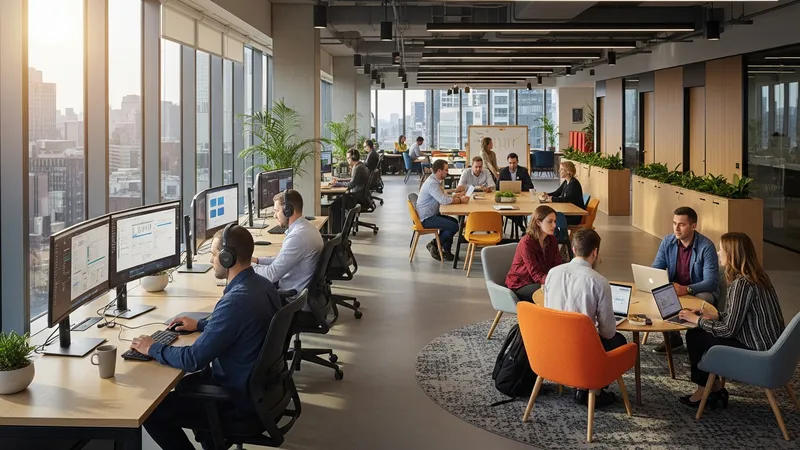
Dedicated desks typically allow users to reserve a specific workstation in a communal area, often on a monthly basis. This can provide a consistent space while still enabling interaction with other professionals. Hot-desking, in contrast, involves flexible seating without fixed allocation, offering potential cost savings but less continuity of workspace assignment.
Private offices within co-working facilities may be leased for teams or individual professionals desiring more seclusion and control over their environment. These offices are usually enclosed rooms and may include additional amenities such as lockable storage and internal meeting spaces. The rental cost for private offices tends to be higher compared to shared desk membership.
Meeting rooms and event spaces are frequently available on demand within co-working setups. These facilities provide venues for client meetings, presentations, or group discussions. Use of these resources may be included in membership fees or offered at additional cost depending on the provider’s policies.