
Cloud Storage: How Online Data Storage Works

Security and Regulatory Considerations for Cloud Storage in the Philippines
Security is a central concern for cloud storage users in the Philippines. Providers generally employ measures such as encryption at rest and in transit, firewalls, intrusion detection systems, and data replication to protect client files. Users are typically able to enhance their own security posture through strong password practices and activating provider-offered authentication options.
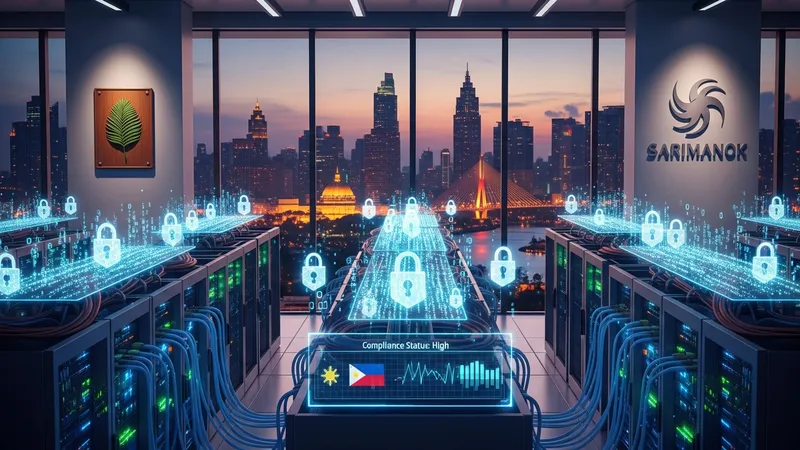
Providers operating within the Philippines must comply with data protection standards, including the Data Privacy Act of 2012. This legislation places requirements on how personal and sensitive information is collected, processed, and stored. Cloud service contracts or privacy policies usually outline compliance methods and any relevant security certifications or audits, such as ISO/IEC 27001.
Some organizations require data to be stored within the Philippines for legal or operational reasons, a policy referred to as data residency. Local providers may emphasize this feature, hosting data in domestic data centers to support compliance with local regulations, as well as to improve access speeds and technical support for Philippine-based users.
Users may benefit from reviewing public resources, such as the official guides published by the National Privacy Commission (privacy.gov.ph), to stay informed about rights and obligations related to cloud storage. Understanding these considerations provides the foundation for safer and more compliant cloud storage practices in the local context.