
Cloud Protection: Key Strategies For Securing Digital Assets

Continuous Monitoring and Incident Response in Cloud Environments
Continuous monitoring refers to the real-time observation of cloud infrastructure for signs of security threats, configuration changes, or compliance deviations. Cloud providers such as AWS CloudTrail, Azure Monitor, and Google Cloud Operations Suite offer logging and alerting features that support this visibility. Properly configured, these tools may allow organizations to swiftly detect unusual activity or policy violations.
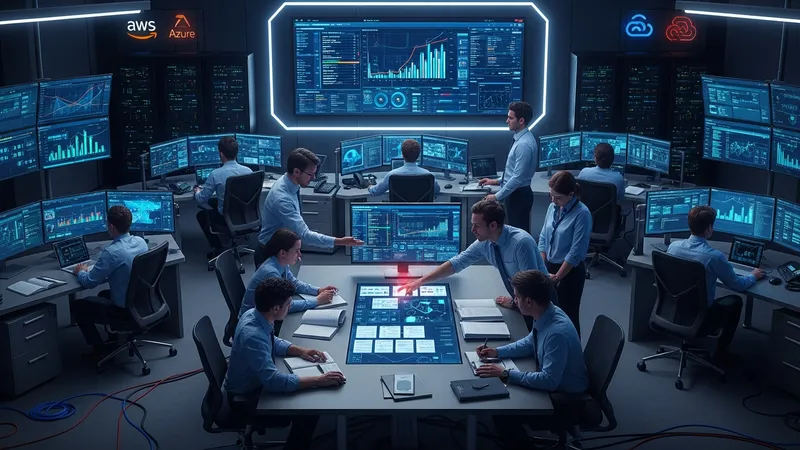
Automated alert systems can trigger investigations or initiate predefined response procedures when potential incidents are detected. In the United States, incident response frameworks commonly align with NIST Special Publication 800-61 and may involve coordinated actions to contain, assess, and recover from security events. Cloud-based response plans often leverage playbooks to streamline coordination among technical and management teams.
Organizations can benefit from integrating monitoring tools with broader security information and event management (SIEM) platforms. This integration provides centralized analysis and reporting, which can improve situational awareness and support root-cause analysis in complex environments. Regular testing of monitoring and response processes is suggested to validate effectiveness and address gaps.
Although technological tools form the backbone of monitoring and incident response, human expertise remains essential. Continuous training, threat intelligence sharing, and post-incident reviews contribute to a more resilient approach to cloud protection, enhancing the ability to adapt and strengthen controls as cloud services and risks evolve.