
Cloud, Hosting & Cybersecurity: Key Components And How They Interact

Components of Cloud Computing Environments Relevant to Digital Infrastructure
Cloud computing environments typically consist of several foundational components that provide the infrastructure to deliver computing resources on demand. These include virtual servers, object and block storage systems, and networking elements such as load balancers and virtual private networks. Each component can be configured to meet varying requirements for performance, scalability, and security. Understanding these elements is essential to grasp how cloud platforms support hosting and cybersecurity functions.
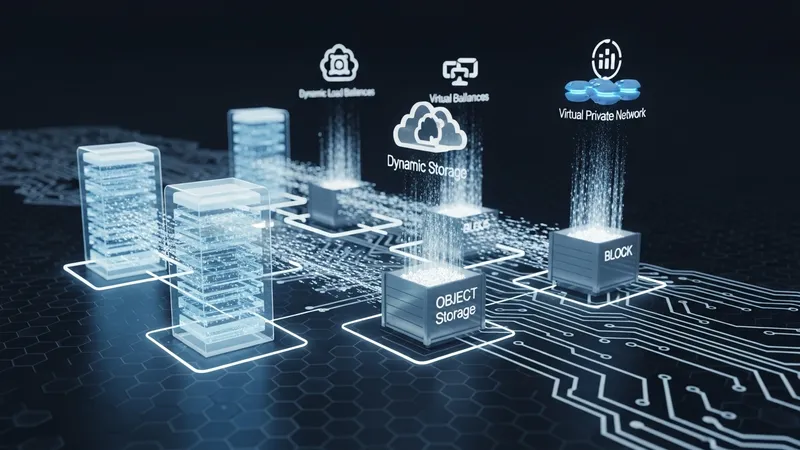
Virtual servers act as compute nodes that run applications or services within cloud environments. These servers may be provisioned dynamically, depending on workload demands, allowing resource allocation without physical hardware changes. Storage solutions within the cloud are frequently categorized as object, block, or file storage, each suitable for different types of data retention and access patterns. Network services facilitate communication between servers, users, and external systems, often including routing, firewall configuration, and traffic management features.
Cloud environments may employ orchestration and automation tools designed to manage resources efficiently. These tools can schedule workloads, scale system components, and automate routine maintenance tasks. By doing so, cloud platforms support stable operations and can respond to changes in demand or security conditions. The coordination between these components contributes to the resilience and uptime of hosted applications or data.
Security-related configurations are integral to cloud computing components and may include identity and access management (IAM), encryption of data at rest and in transit, and logging mechanisms. Policies can be defined to restrict resource accessibility based on user roles or network conditions. Such mechanisms work alongside the physical and network layers to establish a comprehensive security posture. Understanding how these components interplay helps clarify how cloud environments contribute to broader infrastructure requirements.