
Classic And Exotic Car Insurance: Key Coverage Features And Considerations

Eligibility and Underwriting Criteria for Classic and Exotic Car Insurance
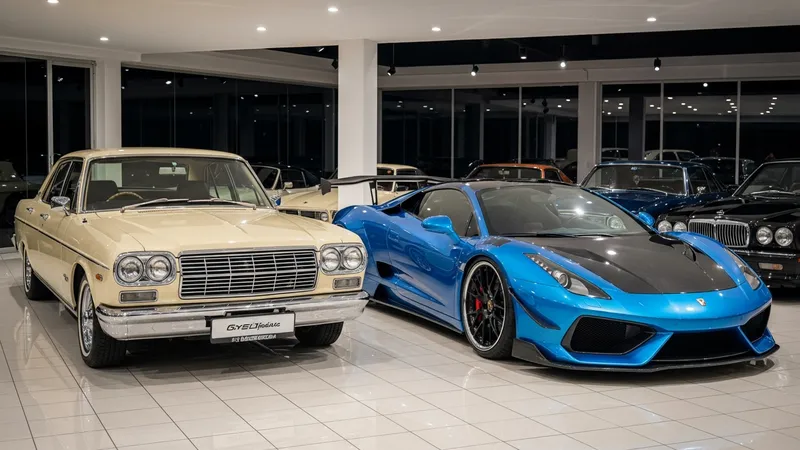
Eligibility for classic and exotic car insurance in the United States typically involves age parameters. Many policies reference a minimum vehicle age, such as 25 years, although newer exotic or limited-production vehicles may qualify if deemed collectible through specific underwriting guidelines. Insurers often request details regarding modifications, restoration status, and historical value in the application process.
Occupational standing, driving history, and the presence of a separate daily-use vehicle can influence underwriting decisions. For example, an applicant with recent major driving violations or an absence of a primary-use car may encounter restrictions or additional requirements. Many insurers in this sector ask for clean driving records and limited annual mileage to mitigate risk and remain consistent with collector use.
United States-based collectors may be required to provide detailed photographs or take part in certified appraisals before coverage is issued. Documentation confirming restoration or originality, as well as secure storage arrangements, can be necessary for policy acceptance. These processes allow underwriters to assess each vehicle’s individual risk and establish terms that reflect the unique nature of collectible or high-value cars.
Vehicle use outside the context of the owner’s household or participation in rideshare programs is typically restricted by most collector car policies. Insurers usually note these limitations during initial underwriting, setting clear terms in the policy to avoid situations inconsistent with the intent of classic and exotic car insurance. Policyholders who need broader usage flexibility may face distinct requirements or exclusions as outlined by insurers’ United States regulatory filings.