
Chemotherapy Versus Endocrine Therapy: Approaches For Metastatic Breast Cancer Management

Differing Mechanisms in Chemotherapy and Endocrine Therapy
Chemotherapy drugs commonly operate by interfering with cell replication or directly damaging cellular materials necessary for growth. This broader mechanism may impact various rapidly dividing cells, not only cancerous ones. In metastatic breast cancer, this approach remains a central option, especially when cancer exhibits resistance to hormone-driven interventions or presents with hormone receptor-negative characteristics.
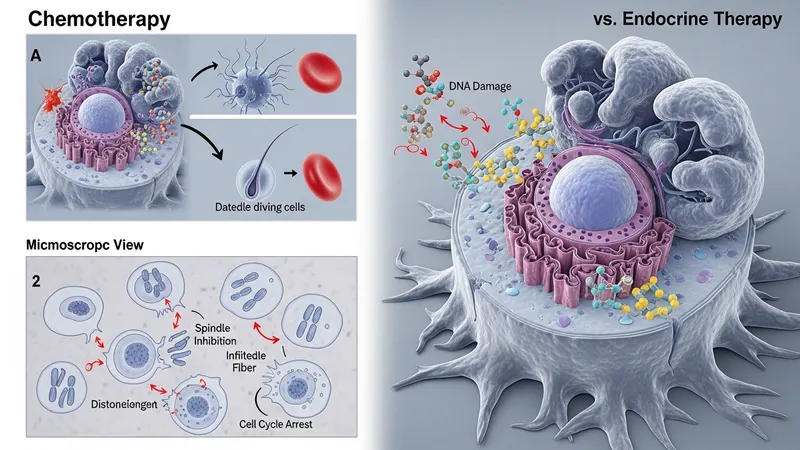
Endocrine therapy, on the other hand, targets the influence of hormones, particularly estrogen and progesterone, which can drive the development of certain breast cancers. Through receptor blockade or suppression of hormone production, these agents aim to reduce the stimuli that can lead to tumor proliferation. Not all breast cancers respond to endocrine therapy, as effectiveness depends on certain tumor markers being present.
The cellular pathways engaged by these two strategies differ substantially. Chemotherapy generally induces cell injury regardless of hormone receptor status, while endocrine agents specifically interrupt hormone-related signaling. This aspect can guide choices, where hormone receptor testing becomes a standard part of the diagnostic workup in metastatic breast cancer.
In certain situations, both approaches may be integrated within a treatment sequence or combined regimen. For example, combination strategies may be used following progression on single-agent therapy, reflecting the adaptability required in ongoing disease management. Decisions are influenced by tumor attributes, prior response patterns, and patient-specific tolerance.