
Cars Under 20 Lakh In India: Overview Of Key Features, Pricing And Segments

Ownership factors and lifecycle considerations for cars below ₹20 lakh
Maintenance schedules and service costs are an important part of lifecycle ownership in India. Routine service intervals are typically defined in kilometres or months, for example every 10,000–15,000 km or annually, depending on manufacturer guidance. Service network density—the number of authorised service centres within a region—can affect both convenience and repair turnaround. For some brands, authorised workshop coverage is stronger in metropolitan and tier-1 cities; rural or smaller-town owners may rely more on independent service centres for routine work or minor repairs.
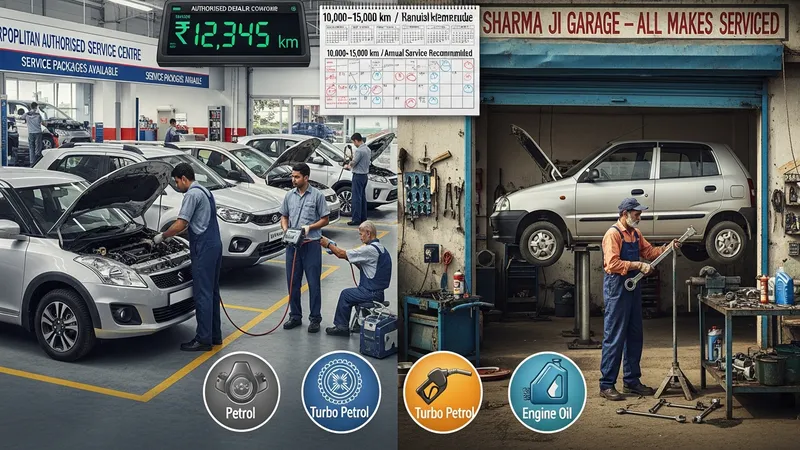
Fuel economy and running costs vary by engine type and transmission choice. Petrol naturally aspirated engines commonly report higher real-world fuel consumption in heavy urban traffic compared with small-displacement turbo petrols or mild-hybrid variants, though actual results depend on driving style. Factory-fitted CNG options can reduce fuel expenditure per kilometre for city drivers where CNG refuelling infrastructure exists. Owners often track typical fuel consumption over a few thousand kilometres to set realistic operating budgets.
Depreciation trends in India may reflect brand reputation, model updates, and demand for specific body types. Compact SUVs have generally maintained steady buyer interest in urban markets, which can support resale values relative to certain hatchbacks or sedans. Warranties and extended warranty options from OEMs can mitigate some risk of repair costs during the initial ownership years. Prospective owners may compare warranty durations and service packages to estimate likely out-of-pocket expenses beyond the vehicle’s purchase price.
Insurance considerations include selecting appropriate cover levels, understanding deductibles, and checking for industry-standard add-ons such as zero-depreciation cover or engine-protect policies if desired. Insurance premiums often scale with the insured declared value, which is related to the invoice and model variant. For owners with regular long-distance travel, considering roadside assistance coverage and network response times across highways commonly used in India may be useful for planning.