
CAR T-cell Therapy: Understanding The Treatment Process

Monitoring, Follow-Up, and Managing Side Effects in CAR T-cell Therapy
The post-infusion period for CAR T-cell therapy is characterized by regular monitoring, often within specialized inpatient or outpatient facilities. Early follow-up is focused on detecting signs of immune activation, including cytokine release syndrome (CRS) and neurologic effects. CRS, in particular, is one of the more commonly observed reactions and is managed in the United States with established grading systems and supportive measures informed by real-world case data.
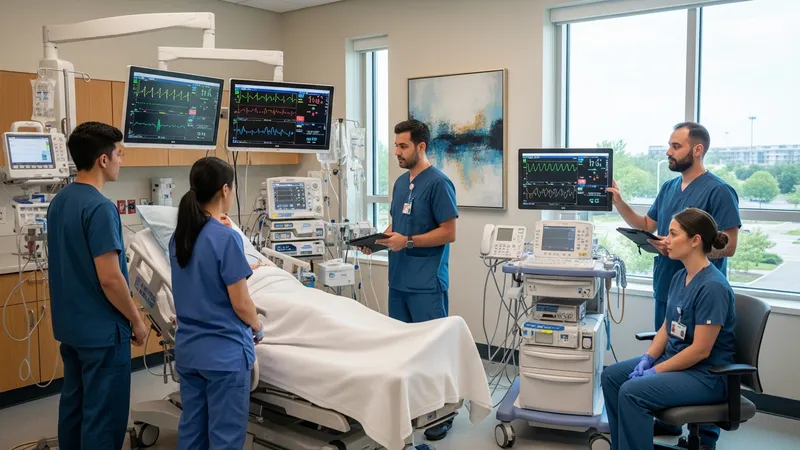
Longer-term follow-up includes blood tests, imaging, and physical assessments to evaluate both cancer response and the patient’s overall recovery. Patients may be advised to remain near the treating hospital for several weeks post-infusion so that any complications can be addressed promptly. Healthcare teams review lab results frequently during this phase and may modify supportive care based on each patient’s evolving needs.
Management of side effects takes a multidisciplinary approach. For example, if CRS or neurological symptoms are detected, evidence-based interventions such as anti-inflammatory medications or specialized neurologic assessments may be implemented. Standard protocols in the United States are designed to mitigate risks while maintaining patient safety, and supportive services such as counseling, nutrition support, and physical therapy may be offered as part of integrated care.
Over time, patients will transition from acute monitoring to scheduled follow-up appointments for ongoing surveillance of disease status and immune function. Practical considerations include coordinating communication among oncologists, primary care providers, and laboratory services to ensure continuity of care. Ongoing research in the United States continues to contribute data about potential long-term effects and optimal management strategies for CAR T-cell recipients.