
Car Insurance For Disabled Veterans: Understanding Accessibility Needs And Policy Features

Types of coverage and accessibility-related policy features
Coverage options for drivers with mobility needs generally mirror standard auto policy structures while adding targeted features that address adaptations and accessibility. Liability, collision, and comprehensive coverages remain core components, and carriers may offer endorsements for adaptive equipment or for transportation modifications. These endorsements can define reimbursement limits, whether the equipment is replacement-cost or actual cash value, and whether labor to reinstall adaptations after repairs is covered. Understanding the distinctions between policy limits and endorsement language often helps clarify how adapted vehicles are treated in loss scenarios.
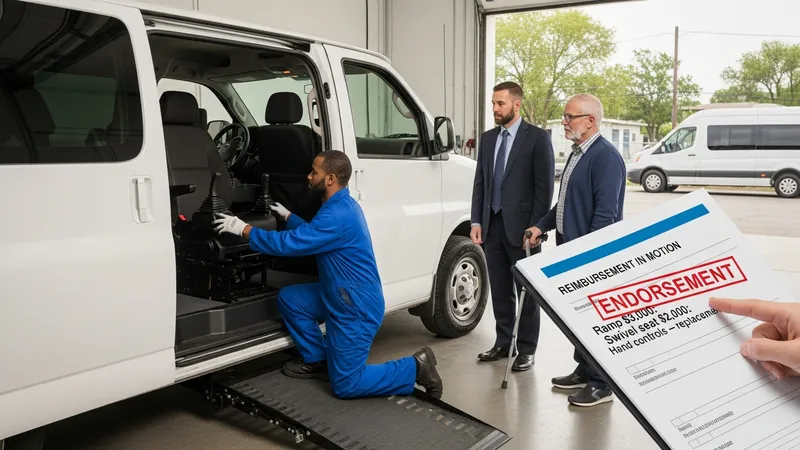
Some insurers may offer equipment-specific coverage that isolates adaptive modifications from personal property limits, reducing ambiguity during claims. For example, an endorsement might list covered items such as ramps, swivel seats, or hand controls and specify a per-item or aggregate limit. Policyholders might also see options for temporary transportation benefits if an adaptation requires extended shop time. These features vary by carrier and jurisdiction, so reading endorsement wording is typically necessary to determine practical implications for an adapted vehicle owner.
Accessibility-related roadside assistance is another common feature that may be structured as an add-on rather than a standard inclusion. These services can include accessible towing, assistance with ramps or lifts, and coordination with mobility equipment technicians. When selecting such coverage, practical considerations often include whether the provider has experience with larger accessible vehicles and whether dispatch procedures account for the physical needs of the vehicle and occupants. Availability may be regionally dependent, and policy documents usually indicate provider network constraints.
Insurance for adapted vehicles can also intersect with property or renters coverage when devices are portable rather than vehicle-integrated. Insurers and policy documents may delineate whether wheelchair lifts permanently attached to a vehicle are treated differently from removable mobility aids. This distinction can affect which policy responds to loss or damage: auto insurance, homeowners/renters, or a separate personal property policy. Clarifying these boundaries through policy language may reduce disputes if a claim involves equipment that could be viewed under multiple coverages.