
Cancer Immunotherapy: Key Advances In Targeted Treatment Approaches

Combination therapies and sequencing considerations
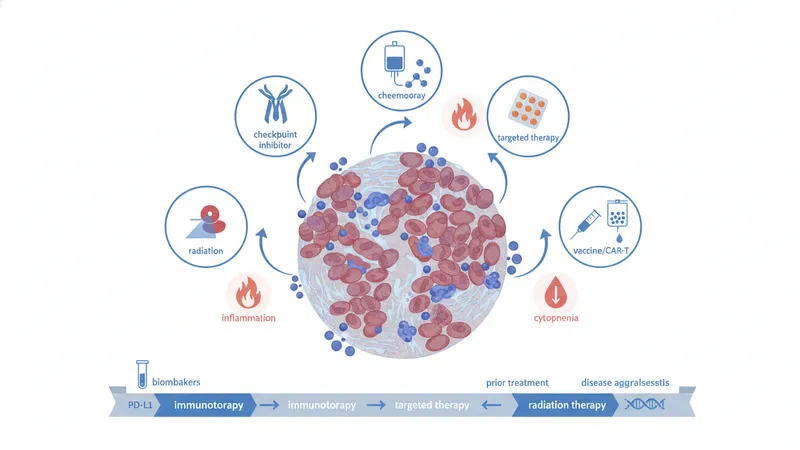
Combining targeted immunotherapies with other modalities is a common strategy to enhance antitumor effects or overcome resistance. Typical combinations studied include checkpoint inhibitors with cytotoxic chemotherapy, targeted small-molecule inhibitors, radiation therapy, or other immunotherapies such as vaccines or cellular products. The rationale may include increasing tumor antigen release, modulating the tumor microenvironment to be more permissive to immune cell infiltration, or targeting complementary immune pathways. Clinical trial data often inform which sequences and combinations are feasible and how toxicity profiles change when agents are combined.
Sequencing choices—whether to use immunotherapy first, follow with targeted agents, or administer concomitantly—may depend on disease aggressiveness, prior treatments, and biomarker status. For some cancers, induction with chemotherapy may be used to reduce disease burden before introducing immunotherapy, whereas in other contexts early use of checkpoint inhibitors may be preferred if biomarkers suggest potential benefit. Timing decisions should consider expected onset of action for each modality and the capacity to manage overlapping adverse events, such as immune-mediated inflammation combined with cytopenias from chemotherapy.
Safety considerations are central to combination strategies because additive or synergistic toxicities can emerge. For instance, combining checkpoint inhibitors with certain targeted agents has in some trials increased rates of hepatic or pulmonary toxicity. Clinical studies typically employ phase I dose-escalation designs to establish tolerable regimens and monitoring protocols. Institutions planning to offer complex combinations may need multidisciplinary pathways for early recognition and management of immune-related events, including standardized steroid-use algorithms and escalation criteria.
Ongoing trials are exploring rational combinations based on preclinical mechanisms, such as pairing checkpoint inhibitors with therapies that increase antigen presentation or reduce suppressive myeloid cell populations. Adaptive trial designs and biomarker-stratified cohorts are increasingly used to identify subsets of patients who may derive benefit from specific combinations. As evidence accumulates, clinicians and researchers aim to refine sequencing frameworks that balance efficacy signals with manageable safety and logistical considerations.