
Cancer Care & Research: Insights Into Programs And Advancements

Cancer Care & Research Programs: Types of Services in the United States
Programs specializing in cancer care and research in the United States frequently offer a range of clinical services designed to address the diverse needs of patients. These can include diagnostic services, multidisciplinary treatment planning, access to clinical trials, follow-up care, and supportive resources such as counseling or rehabilitation. Facilities may vary in the types of cancer they specialize in, but comprehensive centers often treat a broad spectrum of oncologic diagnoses. Each patient’s pathway through these services typically depends on their diagnosis, stage of disease, and overall health, using evidence-based protocols when possible.
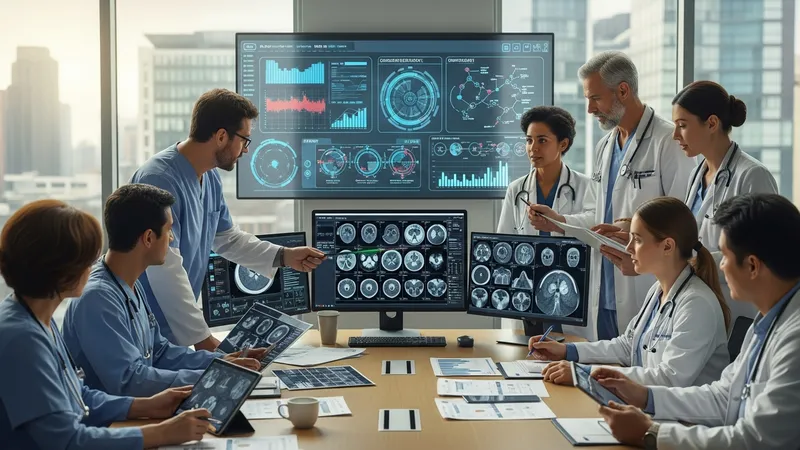
Many institutions associated with programs like NCI-Designated Cancer Centers or large academic hospitals provide specialized teams for complex and rare cancers. These teams can include surgical oncologists, hematologists, and radiologists who collaborate to develop a unified approach. For example, some centers have tumor boards that review each case and deliberate on possible treatment sequences, ensuring care is planned based on current standards and recent developments in research. Access to subspecialty expertise may improve coordination, but wait times and geographic factors can influence availability.
Supportive services are a key component of many cancer care programs. These may involve psychosocial support, palliative care consultations, patient navigation, and nutritional counseling. Such services can help patients cope with emotional and practical challenges during and after treatment. For families, these supportive elements serve both as informational resources and as networks to promote well-being, and may be available at little or no extra cost, depending on insurance and institutional policy.
Cancer care programs geared toward research integrate basic science, translational, and clinical studies. This approach allows emerging therapies or diagnostic tools to move from laboratory development into clinical use. Such integration can lead to options for patients to enroll in clinical trials that would not otherwise be available locally, subject to eligibility and trial-specific criteria. The combined efforts of clinical and research staff aim to expand knowledge of cancer while also offering potential benefits to patients.