
Business Platform Software: Key Features For Streamlined Operations

Security, access control, and data protection considerations
Access control is typically implemented through role-based models, sometimes supplemented by attribute-based rules for finer granularity. Roles may map to job functions such as case handler, supervisor, or auditor, and permissions control create, read, update, and delete actions on records and documents. Practical deployments often include audit logs that capture user actions and state changes for accountability. Organisations may also require multi-factor authentication for administrator access and periodic reviews of role assignments to prevent privilege creep over time.
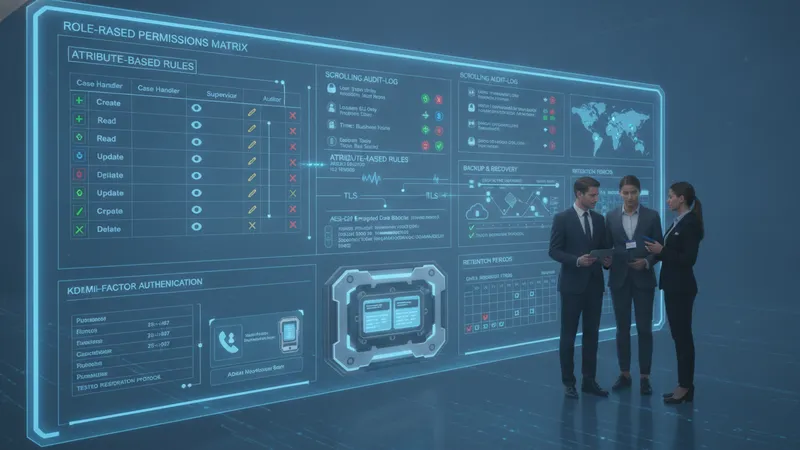
Data protection measures commonly include encryption at rest and in transit, tokenisation for sensitive fields, and secure key management. Backup and recovery procedures are critical for operational continuity; these often involve point-in-time backups and tested restoration workflows. Data residency and retention requirements can influence storage choices and archival frequency. When handling personally identifiable information, teams often apply minimisation principles and limit the retention period to what is necessary for operational or regulatory needs.
Compliance-related features may include configurable retention schedules, audit trails, and export capabilities for legal or regulatory review. Systems often provide access controls that support segregation of duties, enabling separate teams to perform complementary roles without unnecessary overlap. Practical considerations include maintaining attestable records of configuration changes and adopting change control practices so that policy updates are applied consistently and documented for future inspection.
Insider considerations include planning for incident response and role separation in administrative functions. For example, operational staff handling daily tasks may be distinct from those who manage system configurations, and separate credentials or roles can reduce the risk of accidental or malicious configuration changes. Regular reviews and simulated incident drills may help teams validate that controls and recovery mechanisms work as intended and that audit logs provide sufficient context for post-incident analysis.