
Business Checking: How High-Yield Accounts Operate For Corporations

Features and Policies of High-Yield Business Checking Accounts for Corporations
High-yield business checking accounts in the United States may feature a combination of transaction flexibility, digital banking services, and interest-earning structures. These accounts are typically set up to facilitate daily business operations—such as making payments, depositing checks, and managing recurring transactions—while providing interest on larger balances held within the account. Eligibility may depend on the legal entity status, business verification documents, and adherence to U.S. banking regulations.
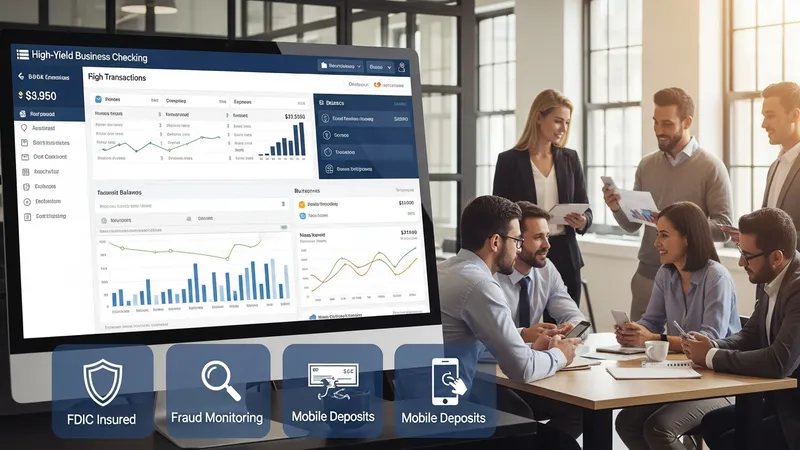
Account holders can generally expect a range of built-in safeguards and operational features. These often include FDIC insurance up to $250,000 per depositor and per institution, fraud monitoring tools, mobile check deposit, and access to both in-person and digital customer service. The digital access provided by many U.S. banks allows corporations to initiate wire transfers, automate bill payments, and integrate their accounts with accounting software for improved efficiency.
Policies regarding transaction limits, minimum required balances, and fee structures are set by individual financial institutions. Many high-yield business checking accounts waive monthly service fees if average daily or monthly balances meet a specified threshold. However, should balances fall below this amount, corporations may incur typical fees ranging from $10 to $20 per month, along with additional charges for excess transactions or certain deposit methods.
It is important to note that not all business checking accounts classified as “high-yield” offer interest rates that exceed other cash management alternatives. While the structure allows for interest earnings on operational funds, the rates are typically modest and variable, reflecting changes in Federal Reserve rates and overall market liquidity conditions. This dynamic underlines the need for corporations to periodically review account terms and associated disclosures.