
Burj Al Arab: Exploring Iconic Experiences And Attractions

Structural Aspects of Burj Al Arab: Exploring Iconic Experiences and Attractions
The foundational engineering of the Burj Al Arab relies on a double-curved concrete structure supported by piles embedded deep into the artificial island. This approach helps mitigate the effects of ocean movement and shoreline erosion, which are ongoing considerations for long-term integrity. Multiple construction reports outline that the support system typically employs over 200 sub-sea piles, a method commonly referenced in large-scale waterfront developments worldwide.
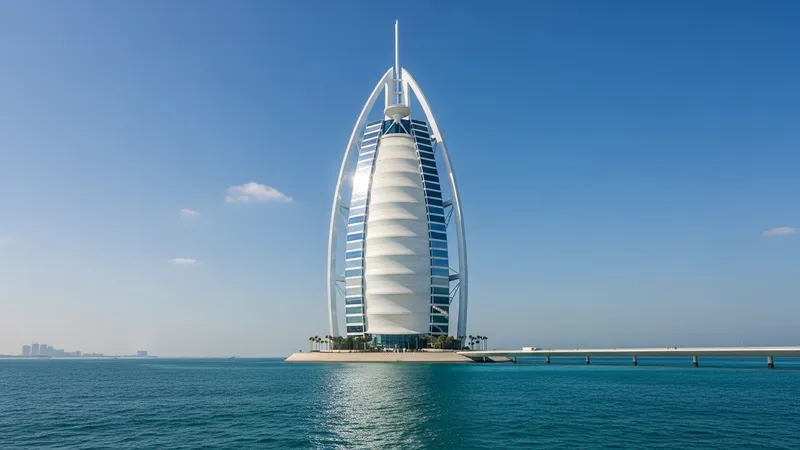
Material selection is another crucial aspect in the construction process. To address corrosion concerns linked to marine exposure, high-grade stainless steel and specially treated concrete are used throughout exposed structural elements. These choices are analyzed in civil engineering forums as examples of how building material science may contribute to the longevity and stability of coastal buildings subjected to humidity, salt, and temperature fluctuations.
The Burj Al Arab’s steel truss exoskeleton, visible through its external shape, is designed to deliver both aesthetic form and structural utility. This external structure, coupled with a tensioned fabric façade, is analyzed for its ability to resist wind pressure and provide visual distinction against the skyline. Such techniques are often featured in comparative architectural case studies focusing on innovative external load-bearing systems.
Moving forward, attention to the foundational and superstructure choices demonstrates how the Burj Al Arab exemplifies multi-disciplinary planning. Factors such as site preparation, material durability, and collaborative architecture-engineering solutions all contribute to shaping the building’s role as a case for analysis in technical education and industry literature. Further sections will review design elements that influence its iconic presence.