
Building Wealth: Key Principles For Long-Term Investment Growth

Financial Instruments and Market Considerations in Mexico
Mexico offers a variety of financial instruments that may play roles in building long-term investment portfolios. Government securities such as CETES are issued in various maturities, typically from 28 to 364 days, and sold at auction by the Ministry of Finance. These instruments often set benchmarks for fixed-income investments across other sectors.
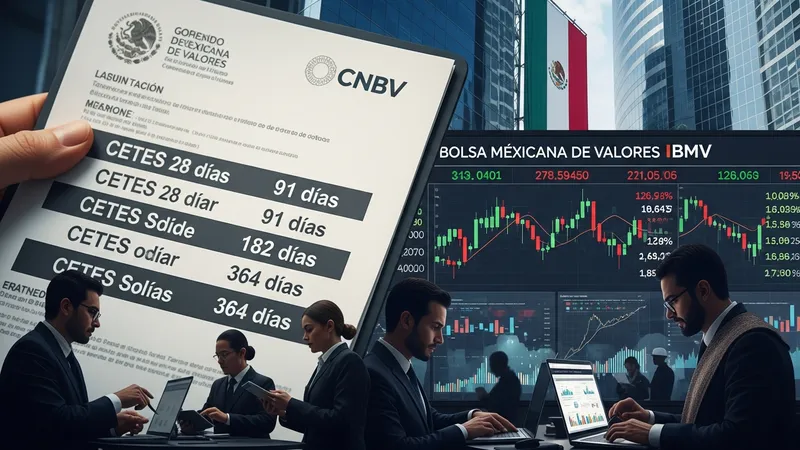
The Bolsa Mexicana de Valores (BMV) lists a wide range of stocks and debt instruments, including equity shares of major Mexican companies and corporate bonds. Trading volume and market capitalization vary, affecting liquidity and pricing. Regulations enacted by the Comisión Nacional Bancaria y de Valores (CNBV) oversee transparency and investor protections.
Mutual funds are increasingly common in Mexico’s financial landscape, providing pooled investment options across asset classes. Funds regulated under Mexican laws must follow stipulated investment policies and diversify assets to reduce risk concentration. Their fees and minimum investment requirements differ according to fund type and management company.
Real estate is another frequently considered asset class, often influenced by Mexico’s urban development trends, legal frameworks for property ownership, and financing options. Institutions like INFONAVIT facilitate access to housing finance, which can indirectly support wealth accumulation through property investment. Understanding associated costs such as taxes, maintenance, and legal fees is important when evaluating real estate for portfolio inclusion.