
Building Contractors: Key Factors To Consider When Making A Selection

Licensing and Regulatory Requirements in Canadian Building Contracting
Licensing serves as a foundational element in the Canadian construction sector. Provincial and municipal authorities typically mandate specific licenses for contractors working on residential, commercial, or industrial projects. Requirements often vary by location. For example, to operate legally in Ontario, contractors generally must acquire a license from the relevant municipal body and meet qualifications set by the province. These measures aim to ensure firms are knowledgeable about building code compliance and relevant legal obligations.
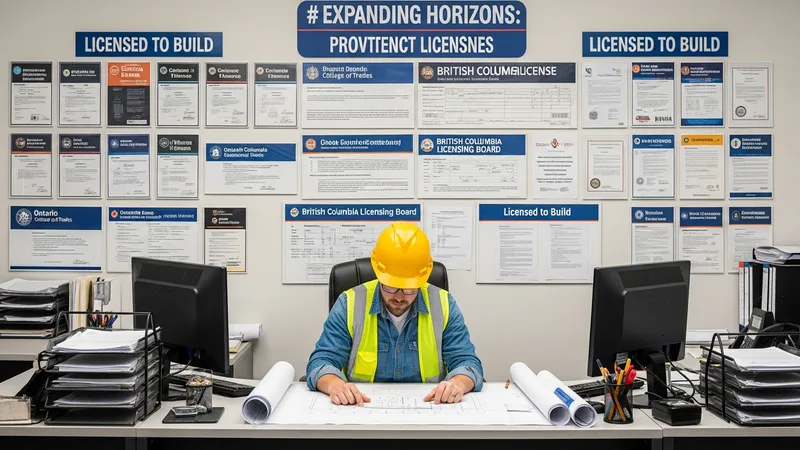
Registered status with bodies such as the Ontario College of Trades or the British Columbia Licensing Board may signify that a contractor has met training and educational standards specific to their trade. Clients often have the opportunity to validate credentials through public registries or request documentation—a practice that may minimize regulatory risk. Such checks allow property owners or developers to proceed with greater confidence regarding the legal standing of the chosen contractor.
Contractors must also routinely navigate safety standards as outlined in the Canadian Centre for Occupational Health and Safety (CCOHS) and by provincial Labour Departments. Health and safety certifications, such as those offered by the CCOHS, are frequently sought as a demonstration of a contractor’s ongoing commitment to maintaining regulated workplace environments. These credentials are especially relevant in larger-scale or multi-story construction projects in urban settings.
Periodic changes in Canadian construction legislation can affect compliance needs. For instance, adoption of updates to the National Building Code of Canada or local fire code requirements might necessitate retraining or additional approvals. Understanding how a contractor monitors regulatory changes and implements compliance strategies can help set realistic expectations for the project’s legal and technical requirements.