
Broadband Internet: Exploring Connection Types For Homes And Businesses

Financial and Service Details in Broadband Internet Access for Homes and Businesses
The pricing of broadband internet connections is shaped by factors such as technology, coverage area, competition among providers, and service features. Providers may offer tiered packages with different maximum speeds and data allowances, often without guaranteeing that users will achieve the maximum advertised rate at all times. Additional costs may arise from installation, modem or router rental, and data usage above monthly caps, particularly for satellite or fixed wireless plans.
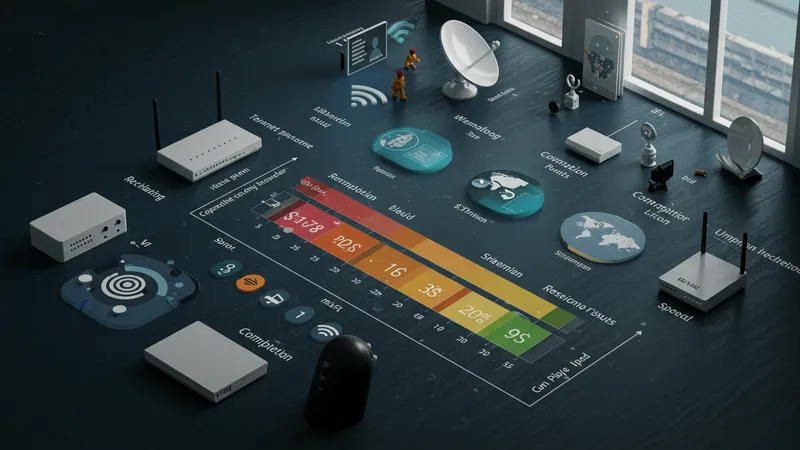
Service agreements frequently outline the terms surrounding billing cycles, upgrade options, equipment maintenance, and dispute resolution. Business packages may include priority customer support, higher maximum speeds, and enhanced reliability provisions, typically at a higher price point than comparable residential offerings. Some users evaluate contract length and the possibility to adjust service levels over time to align with evolving needs.
Industry sources typically report that broadband costs have declined over time in many regions, although the price-to-performance ratio can vary greatly depending on geographic location and available competition. Where multiple broadband types are accessible, users may compare not just headline rates but also underlying contract terms, data policies, and ancillary service features such as cybersecurity tools or parental controls.
Overall, the broad landscape of broadband internet options allows households and businesses to select from a range of service models and pricing structures. Understanding the variable factors that influence the total cost and nature of service can facilitate more deliberate and sustainable adoption of broadband for both productivity and day-to-day communications.