
Breast Cancer Treatment: Exploring Emerging Therapeutic Approaches

Integrating Emerging Approaches: Considerations and Practical Aspects
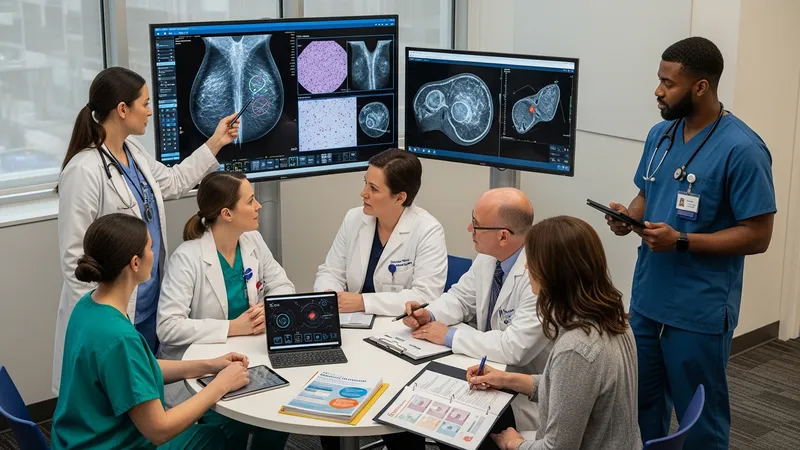
The integration of targeted therapy, minimally invasive procedures, and genetic profiling into breast cancer treatment planning is typically coordinated by interdisciplinary care teams. In the United States, board-certified oncologists, pathologists, surgeons, genetic counselors, and specialized nurses collaborate to tailor strategies to each individual’s diagnosis and personal circumstances. Cross-disciplinary case reviews help ensure that all emerging options are considered alongside established standards of care.
Supportive services, such as patient navigation programs and educational resources, may assist individuals in understanding complex emerging therapies. These services are offered at many United States cancer centers to help patients navigate choices regarding genetic testing and new treatment modalities. Written summaries and ongoing communication contribute to informed decision-making, allowing patients to weigh benefits, potential risks, and preferences in consultation with care teams.
Insurance approval, regulatory guidelines, and access to advanced diagnostic laboratories are additional practical factors influencing the integration of emerging treatments in the United States. Some therapies and tests may be available mainly at larger academic hospitals or specialty centers. Pricing and coverage are subject to change as more data is collected and as therapies receive approval for broader use by health authorities such as the U.S. Food and Drug Administration (FDA).
In summary, the landscape for breast cancer treatment is evolving in response to research and technological innovation. While targeted therapies, minimally invasive procedures, and genetic profiling offer new avenues for personalizing care, ongoing evaluation is necessary to determine the most appropriate use in various clinical settings. Continued collaboration among healthcare providers, researchers, and patients will likely be central to the responsible adoption of these emerging approaches.