
Breast Cancer Treatment: Exploring Emerging Therapeutic Approaches

Principles and Practice of Minimally Invasive Breast Cancer Procedures
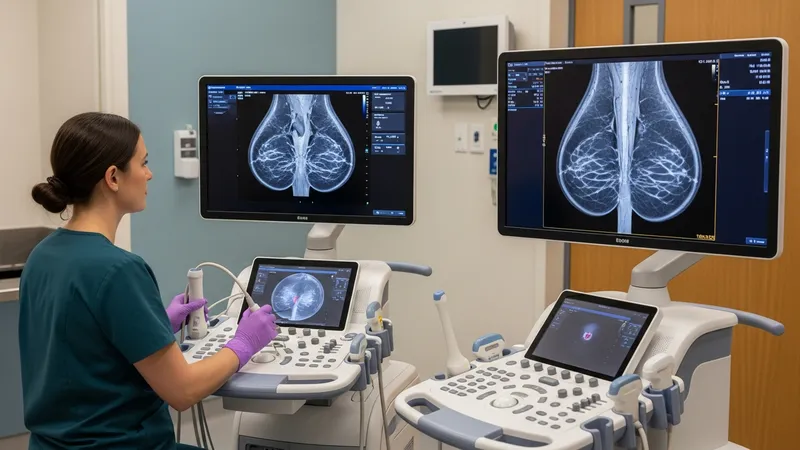
Minimally invasive procedures have become an important component of breast cancer treatment in the United States. Techniques such as image-guided biopsies allow for precise tissue sampling to confirm diagnosis while minimizing physical disruption. These methods often utilize technologies like ultrasound or MRI to localize the area of concern, lowering the likelihood of unnecessary tissue removal or extensive incisions.
Another common minimally invasive intervention is the sentinel lymph node biopsy, which involves identifying and removing only the first lymph nodes likely to be affected by cancer spread. This procedure can reduce the physical and functional impact associated with full axillary lymph node dissections. The findings from the biopsy then help determine whether additional surgical or systemic therapies may be indicated for a particular patient.
Eligibility for minimally invasive surgery depends on tumor characteristics, anatomical considerations, and overall health status. United States national guidelines provide criteria for selecting patients who may benefit from limited resection procedures, and ongoing studies help refine these criteria. Such approaches are designed to safeguard oncological effectiveness while aiming to reduce operative risk, recovery time, and the potential for chronic complications like lymphedema.
Regular follow-up and post-procedure assessment are typically advised after minimally invasive treatment. United States hospitals may have specialized teams trained in these approaches, with standardized protocols to monitor outcomes. As technologies advance, the capacity for even less invasive interventions—such as robotic-assisted procedures—may expand, generating new options for carefully selected patient groups.