
Breast Cancer Screening: Understanding Early Detection Strategies

Future Directions and Advancements in Breast Cancer Screening
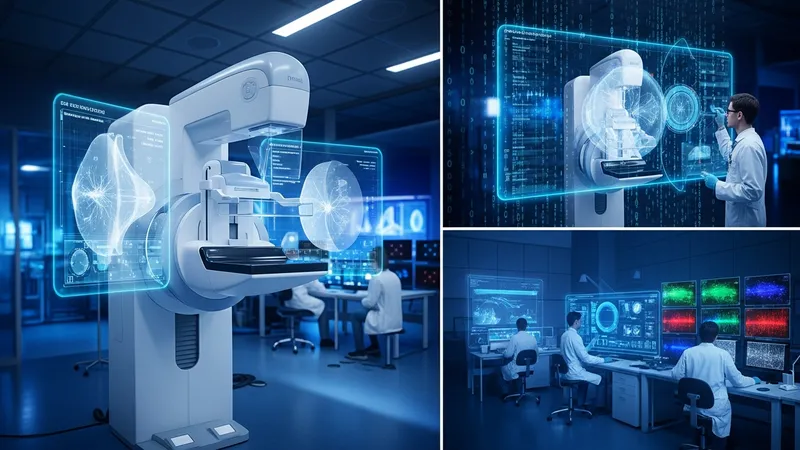
Emerging advancements in breast cancer screening include the development of digital mammography and tomosynthesis (3D mammography), which may improve detection rates of small lesions in certain populations. Digital systems can offer enhanced image storage, transmission, and analysis opportunities, including the potential for computer-aided detection algorithms to assist radiologists. Ongoing research is examining whether these newer technologies lead to consistently improved outcomes across different age and risk groups.
Molecular imaging and the integration of genetic information are also being explored as ways to tailor screening and risk assessment strategies. For example, certain gene mutations may prompt more frequent or earlier use of imaging even when physical symptoms are absent. Researchers are evaluating new biomarkers and imaging tracers that may improve specificity, although such approaches remain primarily experimental and are not yet widely implemented in routine practice.
Artificial intelligence (AI) is increasingly being integrated into breast cancer screening protocols, primarily to assist with image analysis, reduce interpretation variability, and prioritize cases for review by specialists. Clinical studies are ongoing to determine the most effective means of using AI as a supportive tool while ensuring human oversight remains central to diagnostic decisions.
In summary, breast cancer screening continues to adapt in step with technological and scientific advances. The evolution of imaging modalities, diagnostic tools, and individualized risk assessment is likely to shape screening practices going forward. Maintaining awareness of current and emerging strategies may support informed dialogue between individuals and healthcare providers regarding the detection and assessment of breast abnormalities.