
Breast Cancer Research: Current Trends In Treatment Development

Molecular Diagnostics and Biomarker Research in Breast Cancer
Molecular diagnostics represent a growing area within breast cancer research, with efforts ongoing to identify markers that may aid in diagnosis, prognosis, or treatment selection. These markers include DNA mutations, protein expression patterns, or gene signatures detected through tools like next-generation sequencing. Incorporating such biomarkers into research studies is intended to support a more nuanced approach to patient evaluation and therapy assignment.
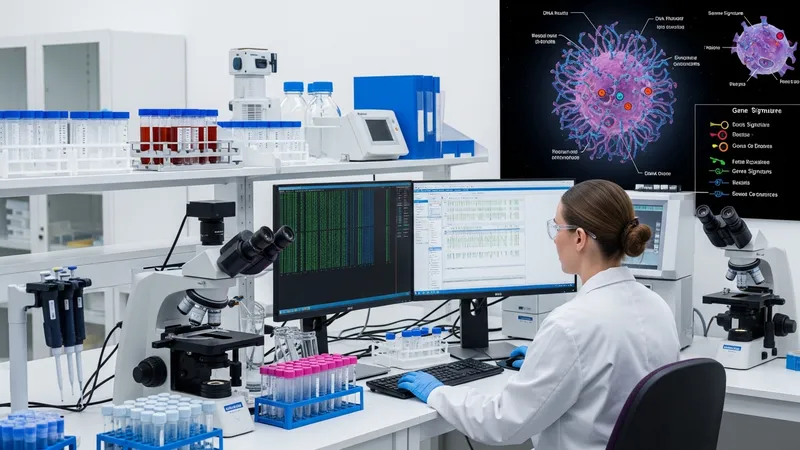
Blood-based, or “liquid biopsy,” research explores whether fragments of tumor DNA or circulating tumor cells can be reliably detected at early stages or during treatment monitoring. These investigations may add to or supplement traditional tissue biopsy and imaging methods, aiming to increase sensitivity or reduce the need for invasive procedures. Variability in test accuracy and standardization remains a subject of current study.
Molecular profiling can help categorize breast cancers into subtypes, which may exhibit differing patterns of growth, spread, and response to therapies. This stratification is used both in research to direct patients to appropriate trials and in clinical care for selecting approved treatments. New tests and algorithms that combine multiple molecular features are in development and being tested for practical utility in diverse populations.
Challenges in this area include ensuring access to advanced diagnostics, interpreting complex results, and determining how to act on molecular data in real-world settings. Research groups prioritize collaboration with technology developers, regulatory bodies, and clinical specialists to evaluate utility and integration. As more is learned, molecular diagnostics may increasingly guide individualized research and treatment pathways in breast cancer.