
BRAF-Mutated Lung Cancer: Overview Of Current Treatment Options

Molecular testing and diagnostic considerations related to BRAF-altered NSCLC
Molecular testing is the foundation for identifying BRAF alterations and other actionable genomic changes. Next-generation sequencing panels that include BRAF alongside EGFR, ALK, ROS1, and others are often used to provide a comprehensive genomic profile from a single assay. Liquid biopsy using circulating tumor DNA can supplement tissue testing, particularly when tissue quantity is insufficient or when repeat sampling is not feasible. Laboratories typically report allele frequency and variant classification; clinicians may interpret those data alongside histology, staging, and prior therapy exposure to inform treatment planning.
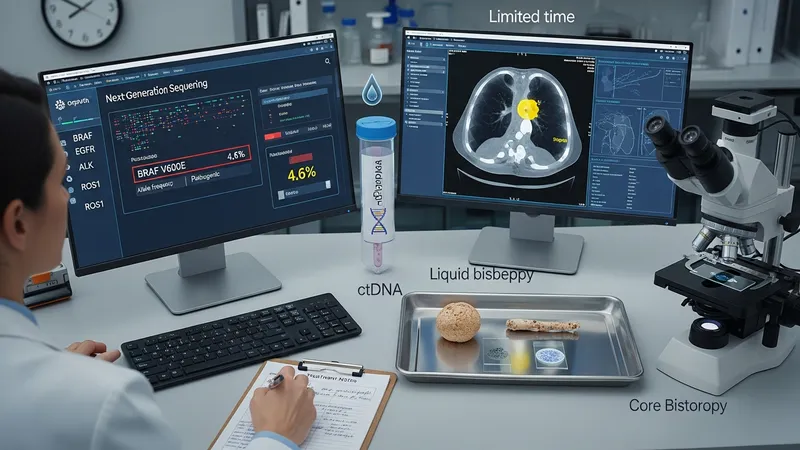
Sampling quality affects test sensitivity. Core biopsies and surgical specimens generally offer higher tumor cellularity than small cytology samples, which can influence the ability to detect low-frequency variants. Turnaround times for results can vary from days to a few weeks depending on the assay and laboratory; when immediate systemic therapy is necessary, clinicians may proceed with empiric options while awaiting comprehensive results. Confirmatory testing or orthogonal methods are sometimes used if initial results are ambiguous or unexpected.
Variant interpretation distinguishes V600E-type substitutions from non-V600 BRAF changes, as these groups often have different therapeutic implications. V600E is a kinase-activating substitution frequently associated with sensitivity to certain BRAF/MEK inhibitor combinations, whereas some non-V600 variants may signal through alternative mechanisms or coexist with other driver events. Reporting usually indicates clinical relevance tiers so that multidisciplinary teams can prioritize management options and potential trial enrollment.
Considerations for equitable testing access include insurance coverage, referral pathways, and institutional protocols. In many centers, reflex testing from diagnosis of advanced non-squamous NSCLC is implemented to reduce delays. Clinicians and patients may consult lists of accredited laboratories or institutional molecular tumor boards for interpretation. These practical elements shape how molecular data are integrated into individualized treatment planning and follow-up strategies.